
Roof Leak Emergencies: How to Handle Water Damage Fast
A roof leak can turn a minor inconvenience into a major home disaster if not addressed quickly. Water entering your home can damage ceilings, walls, insulation, and personal belongings, and can even lead to mold growth. Knowing how to handle a roof leak emergency is essential for every homeowner. This guide will walk you through the steps to identify, control, and repair roof leaks quickly to minimize damage.
Immediate Actions When You Discover a Roof Leak
1. Ensure Safety First
Before attempting any repairs or cleanup, make safety your top priority. Water leaking from the roof can come into contact with electrical wiring, creating a serious hazard.
Turn off electricity in the affected area if water is dripping near outlets, light fixtures, or appliances.
Avoid walking under wet ceilings or weak areas of the roof that may collapse.
Keep children and pets away from the leak zone until it is safe.
2. Contain the Water
Stopping water from spreading is crucial to reduce damage to your home.
Place buckets, bins, or pans under the leak to catch dripping water.
Use towels or rags to soak up small puddles and prevent water from seeping into flooring.
Move furniture, electronics, and valuables out of the area to avoid permanent damage.
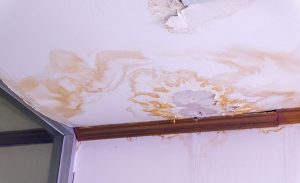
3. Protect Your Home’s Interior
Prevent further harm to walls, ceilings, and floors by acting quickly.
Cover the leak area with plastic sheeting or tarps to redirect water temporarily.
Push up sagging ceilings gently to release trapped water into your containers.
Remove wet items like rugs, carpets, and cushions to allow the space to dry faster.
Identifying the Source of the Roof Leak
Check the Roof Exterior
Finding the leak’s origin can be tricky, as water often travels along beams and ceilings before dripping inside.
Inspect the roof for missing, cracked, or curling shingles.
Look for damaged flashing around chimneys, vents, and skylights.
Check roof valleys, gutters, and downspouts for clogs or damage that could redirect water.
Inspect the Attic
The attic often reveals the path of the water before it reaches your living space.
Look for dark stains, mold, or wet insulation.
Follow the water trail to locate the exact point of entry.
Ensure you use proper safety gear, such as gloves and a flashlight, while navigating the attic.
Consider Professional Assessment
If you cannot locate the leak or the damage is extensive, hiring a licensed roofing contractor is essential. Professionals have the tools and experience to detect leaks hidden from plain sight and recommend the best repair options.
Temporary Roof Leak Repairs
Using Tarps and Sealants
While waiting for permanent repairs, temporary fixes can prevent additional damage.
Cover the affected roof area with a heavy-duty tarp, securing it with nails or ropes.
Apply roofing sealant to small cracks, holes, or gaps as a short-term solution.
Ensure the tarp extends over the roof edge to direct water away from the home.
Quick Interior Fixes
Inside the home, there are steps to minimize immediate water damage:
Use pans and buckets to catch drips.
Move furniture away and place waterproof sheets underneath valuable items.
Elevate wet items off the floor to prevent water absorption and further damage.
Dealing with Water Damage After a Roof Leak
Dry the Affected Area
Prompt drying is critical to prevent mold growth and structural damage.
Use fans, dehumidifiers, and open windows to promote airflow.
Remove wet insulation, drywall, or carpeting if heavily soaked.
Monitor humidity levels to ensure the area is completely dry before repairs.
Assess Structural Damage
Water can weaken ceilings, walls, and wooden beams, creating safety risks.
Check for sagging ceilings, cracked plaster, or soft spots in floors.
Inspect attic beams and roof decking for rot or water damage.
Document damage with photos for insurance purposes.
Prevent Mold Growth
Mold can develop within 24–48 hours if moisture remains.
Use mold-resistant sprays or cleaners on affected areas.
Remove any materials that are severely water-damaged.
Consider hiring a professional mold remediation service for large infestations.
Long-Term Solutions to Prevent Future Roof Leaks
Regular Roof Inspections
Routine inspections help catch small problems before they become emergencies.
Inspect your roof at least twice a year, preferably in spring and fall.
Pay attention to shingles, flashing, gutters, and any roof penetrations.
Hire a professional roofer for a detailed inspection every few years.
Maintain Gutters and Downspouts
Proper water flow prevents leaks and water damage.
Clean gutters regularly to prevent clogs.
Ensure downspouts direct water at least 6–10 feet away from the foundation.
Repair leaks or misaligned gutters immediately.
Upgrade Roofing Materials
Investing in durable roofing materials can extend your roof’s life and reduce leak risk.
Consider metal, tile, or high-quality asphalt shingles for long-term protection.
Use ice and water shields in areas prone to ice dams.
Reinforce flashing around chimneys, vents, and skylights.
When to Call a Professional Roof Repair Service
Some situations require immediate professional attention:
Large leaks or extensive water damage
Structural issues with beams or roof decking
Persistent leaks that cannot be located or fixed with temporary solutions
Roof damage after storms, heavy winds, or falling debris
Hiring a licensed roofing contractor ensures repairs are done safely, correctly, and with durable materials.
Conclusion
A roof leak emergency can be stressful, but acting quickly can prevent serious water damage and costly repairs. Immediate safety measures, temporary repairs, and fast water damage control are key to minimizing harm. Long-term prevention through regular inspections, proper maintenance, and professional roofing services ensures your home stays safe and dry.
By understanding how to handle roof leaks and water damage fast, you protect not only your home’s structure but also your family’s safety and your investment.