
Why Your Roof Keeps Leaking and How to Permanently Fix It
A persistent roof leak can be one of the most frustrating problems a homeowner faces. Even after temporary fixes, water continues to seep in, causing structural damage, mold growth, and costly repairs. Understanding why your roof keeps leaking and how to address the root causes is essential for long-term protection. This guide will explore the common reasons behind recurring roof leaks and offer practical solutions to fix them permanently.
1. Damaged or Aging Shingles
Why Shingles Cause Repeated Leaks
Shingles are your roof’s first line of defense against rain, snow, and wind. Over time, exposure to harsh weather conditions, sun, and temperature fluctuations can cause shingles to crack, curl, or even fall off. Missing or damaged shingles create gaps where water can penetrate repeatedly.
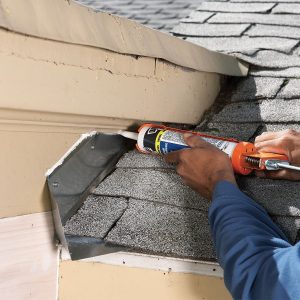
Permanent Solutions for Shingle-Related Leaks
Replace Damaged Shingles: Remove and replace cracked or missing shingles with high-quality, weather-resistant materials.
Upgrade Roofing Materials: Consider asphalt shingles with a longer lifespan or durable alternatives like metal or tile.
Regular Maintenance: Inspect your roof twice a year and after storms to catch issues before they worsen.
2. Faulty Flashing
Understanding Flashing Failures
Flashing is the metal material that seals roof penetrations such as chimneys, vents, skylights, and roof valleys. Over time, flashing can corrode, bend, or pull away from the roof, creating a recurring source of leaks. Improper installation during previous repairs can also contribute to repeated water intrusion.
How to Permanently Fix Flashing Leaks
Inspect Flashing Annually: Check for rust, cracks, and separation from the roof.
Reseat or Replace Flashing: Damaged or improperly installed flashing should be professionally replaced to ensure a watertight seal.
Use Quality Materials: Aluminum and galvanized steel flashing are durable and resistant to corrosion.
3. Roof Vent and Chimney Issues
How Roof Penetrations Cause Persistent Leaks
Leaks often originate around vents, chimneys, and skylights, where water can easily bypass roofing materials. Improper sealing, cracked mortar around chimneys, or worn vent collars can cause repeated water intrusion.
Permanent Fixes for Penetration Leaks
Reseal or Replace Vent Collars: Use high-quality roofing sealant or replace old collars to prevent leaks.
Repair Chimney Mortar: Fix cracks and gaps in chimney bricks or mortar to stop water from seeping in.
Install Flashing Properly: Ensure new or repaired flashing fits snugly around all roof penetrations.
4. Clogged Gutters and Poor Drainage
Why Water Backup Leads to Recurrent Leaks
Gutters are designed to channel rainwater away from your roof. When they become clogged with leaves, debris, or ice, water can back up under shingles and seep into the roof deck. Poorly pitched gutters or downspouts can also create repeated leak problems.
How to Prevent Gutter-Related Roof Leaks Permanently
Clean Gutters Regularly: Remove debris at least twice a year, especially in the fall and spring.
Install Gutter Guards: Reduce buildup and prevent clogs that cause water backup.
Adjust Pitch and Downspouts: Ensure gutters slope correctly to channel water away from the home foundation.
5. Ice Dams and Cold Weather Damage
How Ice Dams Cause Recurrent Roof Leaks
Ice dams form when snow melts on your roof, flows down, and refreezes at the eaves, creating a barrier. Water trapped behind the ice can penetrate under shingles and cause leaks inside your home. This is a common cause of recurring leaks in colder climates.
Permanent Solutions to Ice Dam Leaks
Improve Attic Insulation: Proper insulation keeps your roof at a consistent temperature and reduces melting snow.
Ventilate Your Attic: Install ridge vents or soffit vents to allow airflow and prevent ice buildup.
Install Ice and Water Shields: Apply these protective layers under shingles in vulnerable areas during roof installation or replacement.
6. Structural Roof Problems
How Roof Structure Can Cause Chronic Leaks
Sometimes, recurring leaks are not due to roofing materials but underlying structural issues such as sagging roof decks, rot, or weakened trusses. Water can find its way through even small gaps created by structural damage.
Permanent Fixes for Structural Leaks
Inspect Roof Decking: Replace damaged or rotting wood immediately.
Reinforce Roof Structure: Strengthen weak areas to prevent future leaks.
Hire Professional Roofers: Structural repairs require expert assessment and safe installation.
7. Regular Maintenance: The Key to Permanent Leak Prevention
Why Maintenance Matters
Most recurring leaks occur because small problems are left unchecked. Routine roof maintenance ensures that shingles, flashing, gutters, and vents remain in good condition. Early detection prevents minor issues from turning into costly, repeated leaks.
Maintenance Tips for a Leak-Free Roof
Inspect Roof Twice a Year: Check after winter and summer for damage.
Clean Gutters and Downspouts: Keep water flowing away from the roof.
Trim Overhanging Branches: Prevent damage from falling limbs and reduce debris accumulation.
Document Repairs: Track work done on your roof for future reference.
Conclusion
If your roof keeps leaking, the problem is usually more than just a single damaged shingle or small patch. Common causes include damaged shingles, faulty flashing, roof penetrations, clogged gutters, ice dams, and structural issues. To permanently fix recurring leaks, you need to address the root cause, not just apply temporary patches.
By investing in quality materials, regular maintenance, proper sealing, and professional repairs when needed, you can protect your home, prevent mold growth, and extend the life of your roof. Don’t wait for leaks to worsen—take action now to ensure your roof stays strong, dry, and leak-free for years to come.