
Prevent Roof Leaks Before They Happen: Expert Tips
A roof leak can be a costly and stressful problem for any homeowner. Fortunately, most roof leaks are preventable with proper maintenance, inspections, and timely repairs. By proactively protecting your roof, you can avoid water damage, mold growth, and expensive repairs down the line. In this guide, we’ll share expert tips to prevent roof leaks before they happen, helping you maintain a safe, dry, and long-lasting roof.
1. Conduct Regular Roof Inspections
Why Routine Inspections Are Crucial
Regular roof inspections allow you to catch small problems before they turn into major leaks. Many leaks start as minor issues that are easy to fix if detected early. By inspecting your roof at least twice a year—ideally in spring and fall—you can prevent damage caused by storms, debris, or aging materials.
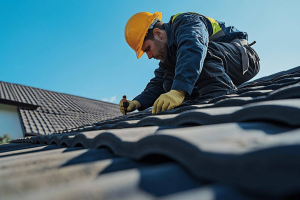
What to Look for During an Inspection
Damaged or Missing Shingles: Check for cracked, curled, or missing shingles that could allow water penetration.
Flashing Issues: Examine flashing around chimneys, vents, skylights, and roof valleys for rust, gaps, or loose seals.
Sagging or Warped Areas: Weak roof decking can lead to leaks if not addressed promptly.
Debris Accumulation: Remove leaves, branches, and other debris that can trap water.
2. Keep Gutters and Downspouts Clean
How Clogged Gutters Cause Roof Leaks
Gutters and downspouts are designed to direct rainwater away from your roof and home foundation. When they become clogged with leaves, dirt, or ice, water can back up onto the roof, saturating shingles and causing leaks. Over time, standing water can also damage fascia boards and siding.
Tips to Maintain Proper Drainage
Clean Gutters Twice a Year: Remove debris during spring and fall to ensure proper water flow.
Install Gutter Guards: Prevent leaves and debris from clogging gutters and downspouts.
Check Downspout Placement: Make sure water is directed at least 6–10 feet away from your home’s foundation.
Repair Damaged Gutters: Fix leaks, holes, or misaligned gutters to maintain a smooth water flow.
3. Trim Overhanging Trees
Why Trees Can Cause Roof Damage
Overhanging branches can rub against your roof during windy conditions, causing shingles to crack or loosen. Falling branches during storms can also puncture your roof, leading to leaks. In addition, leaves and needles from nearby trees often accumulate on the roof and in gutters, promoting water retention and mold growth.
Expert Tips for Tree Maintenance
Trim Branches Regularly: Keep branches at least 6–10 feet away from the roof.
Remove Dead or Weak Trees: Dead trees or limbs are more likely to fall and cause damage during storms.
Clean Roof Debris: Periodically remove leaves and other organic material from your roof surface.
4. Inspect and Maintain Roof Flashing
How Flashing Prevents Roof Leaks
Flashing is the thin metal material used around roof penetrations such as chimneys, skylights, vents, and valleys. It directs water away from these vulnerable areas. Damaged or poorly installed flashing is a common cause of leaks.
Tips for Flashing Maintenance
Check for Rust and Gaps: Inspect flashing annually for corrosion, loose nails, or separation from the roof.
Seal Small Cracks: Use roofing sealant to repair minor gaps in flashing.
Replace Damaged Flashing: For severe corrosion or bending, professional replacement ensures a watertight seal.
5. Proper Attic Insulation and Ventilation
How Attic Conditions Affect Your Roof
Poor attic insulation and ventilation can contribute to ice dams in cold climates and moisture buildup in warm climates. Ice dams occur when heat from the attic melts snow on the roof, which refreezes at the eaves, trapping water that can seep under shingles. Excess moisture can also promote mold growth and weaken roof decking.
Preventive Measures
Insulate Your Attic Properly: Maintain consistent roof temperatures to prevent ice dam formation.
Install Adequate Ventilation: Ridge vents, soffit vents, and attic fans help circulate air and reduce moisture buildup.
Check for Moisture: Inspect insulation and attic areas for signs of dampness or mold and address issues promptly.
6. Repair Minor Roof Damage Immediately
The Importance of Timely Repairs
Even small issues like a cracked shingle, a loose vent collar, or a minor leak can worsen over time. Prompt repairs prevent these problems from turning into costly, widespread roof damage.
Steps for Effective Repairs
Seal Minor Leaks: Use roofing sealant for small cracks or gaps.
Replace Broken Shingles: Swap out damaged shingles with new, weather-resistant ones.
Hire Professionals When Needed: For extensive damage, structural issues, or areas difficult to access safely, professional roofing services are recommended.
7. Schedule Professional Roof Inspections
Why Experts Matter
While homeowners can handle basic maintenance, licensed roofing contractors have the expertise to spot hidden problems and recommend long-term solutions. A professional inspection can detect leaks under shingles, flashing issues, and structural weaknesses that may go unnoticed.
Benefits of Professional Inspections
Early Leak Detection: Spot potential leaks before they cause major damage.
Extended Roof Lifespan: Regular professional care helps your roof last longer.
Peace of Mind: Ensure your home is protected against water damage, mold, and costly repairs.
Conclusion
Preventing roof leaks before they happen is much easier and more cost-effective than repairing water damage later. By conducting regular inspections, cleaning gutters, trimming trees, maintaining flashing, ensuring proper attic ventilation, and addressing minor damage promptly, homeowners can significantly reduce the risk of leaks.
Combining proactive maintenance with professional inspections ensures that your roof remains durable, leak-free, and capable of protecting your home for years to come. Don’t wait for the first drip—take preventive action today and safeguard your investment.