
How to Identify the Source of a Roof Leak in Your Home
A roof leak is one of the most common and frustrating issues a homeowner can face. Water entering your home can cause structural damage, mold growth, and expensive repairs if not addressed quickly. However, finding the exact source of a roof leak can be tricky because water often travels along roof decking, beams, and insulation before appearing inside. In this guide, we’ll show you how to identify the source of a roof leak in your home, step by step, to help you take action quickly and prevent further damage.
1. Look for Obvious Signs of Water Damage Inside Your Home
Check Ceilings and Walls
The first place to start is your interior. Signs of water infiltration are often visible before you inspect the roof:
Stains and Discoloration: Brown or yellow patches on ceilings and walls are a clear sign of a leak.
Sagging Ceilings: Bulging or sagging areas indicate water has pooled above.
Peeling Paint or Wallpaper: Moisture behind walls can cause surfaces to deteriorate.
Inspect Attics and Crawl Spaces
Attics often reveal the leak’s path before it reaches your living space:
Wet Insulation: Moist or discolored insulation signals water intrusion.
Mold or Mildew: A musty smell or visible mold growth indicates prolonged water exposure.
Water Trails: Follow damp spots along beams or rafters to locate the leak’s origin.
2. Examine the Roof Exterior
Inspect Shingles and Roofing Material
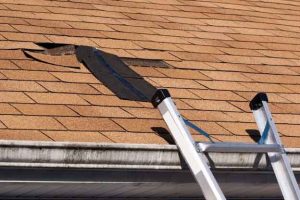
Shingles are your roof’s first defense against water. Damaged or missing shingles are a common cause of leaks.
Cracked, Curling, or Missing Shingles: These gaps allow water to penetrate the roof deck.
Granule Loss: Excessive granules in gutters indicate worn shingles.
Age of the Roof: Older roofs are more prone to leaks and may need replacement.
Check Flashing Around Roof Penetrations
Flashing is the metal material around chimneys, vents, skylights, and roof valleys. Damaged or improperly installed flashing is a frequent source of leaks.
Look for rust, gaps, or separation from shingles.
Pay attention to roof valleys, where water naturally flows and can seep through even small openings.
Inspect chimney and vent seals for cracks or deterioration.
3. Inspect Gutters and Downspouts
Clogged Gutters Can Mimic Roof Leaks
Water backup caused by clogged gutters or misaligned downspouts can make it seem like the roof itself is leaking.
Check for Debris: Leaves, sticks, and dirt can block water flow.
Look for Overflow Signs: Water spilling over gutters during rain can reach your roof edge and cause leaks.
Ensure Proper Pitch: Gutters should slope slightly toward downspouts to prevent pooling.
4. Trace the Leak Path from Inside Out
Use a Systematic Approach
Water doesn’t always fall straight from the roof. To trace a leak:
Mark the Drip Spot: Identify where water enters your home.
Follow the Water Path: Look along rafters, beams, and roof decking for trails of moisture.
Check Roof Deck Above the Trail: Examine the roof above the interior leak point to find missing shingles, gaps, or damaged flashing.
Use Water Testing If Needed
For leaks that are hard to locate:
Garden Hose Method: With someone inside, slowly run water over sections of the roof to see where it enters.
Start Low and Work Up: Begin testing near the drip and gradually move outward to avoid causing unnecessary water damage.
Take Precautions: Ensure safe access and avoid standing water that could cause slips or falls.
5. Consider Seasonal and Weather Factors
Heavy Rain or Snow Can Reveal Weak Spots
Roof leaks often become noticeable during storms or snowmelt.
Observe During Rain: Leaks may only appear under heavy rainfall.
Check After Ice or Snow: Ice dams can force water under shingles, creating leaks that were not previously visible.
Document Timing: Note when leaks occur to correlate with specific roof areas and conditions.
Look for Roof Ventilation and Insulation Issues
Poor attic ventilation or insufficient insulation can create moisture buildup, which may mimic leaks:
Condensation: Check for water droplets forming on the underside of the roof deck.
Temperature Fluctuations: Ice dams often result from heat escaping through poorly insulated areas.
6. Hire a Professional Roof Inspector When Needed
Why a Professional Assessment Matters
If the source of a leak remains elusive or the roof is large, steep, or damaged, hiring a licensed roofing contractor is the safest and most effective solution.
Advanced Tools: Infrared cameras and moisture meters can detect hidden leaks.
Experience: Professionals know common leak points and structural weaknesses.
Long-Term Solutions: They can recommend permanent fixes rather than temporary patches.
Benefits of Professional Inspections
Accurate Leak Identification: Avoid guessing and repeated temporary fixes.
Prevent Major Damage: Early detection stops leaks from causing structural damage or mold.
Documented Assessment: Useful for insurance claims and long-term roof maintenance.
7. Take Preventive Measures Once the Leak is Found
Temporary Fixes to Minimize Damage
Buckets and Plastic Sheeting: Contain drips inside the home until repairs are made.
Roof Sealant: For small cracks or gaps, a temporary seal can slow water entry.
Move Valuables: Protect furniture, electronics, and personal items from water damage.
Long-Term Prevention Strategies
Replace Damaged Shingles or Flashing: Permanent repairs are essential to stop leaks.
Regular Roof Maintenance: Inspect your roof at least twice a year and after storms.
Gutter Cleaning and Proper Drainage: Ensure water flows away from your home.
Professional Roof Inspection: Schedule inspections every few years, especially for older roofs.
Conclusion
Identifying the source of a roof leak in your home can be challenging, but following a systematic approach from interior inspection to exterior examination makes it manageable. Start by checking ceilings, walls, attics, and insulation, then move to shingles, flashing, and gutters. Trace water paths carefully, consider seasonal factors, and use water testing if needed.
For persistent or hard-to-find leaks, a professional roofing inspection ensures accurate detection and long-term repair. By identifying leaks early and taking preventive measures, you can protect your home from water damage, mold growth, and costly repairs, keeping your roof strong and leak-free for years to come.