Common Metal Roof Problems and How to Fix Them
Metal roofs are widely valued for their durability, energy efficiency, and long lifespan, making them a popular choice for residential and commercial buildings. However, like any roofing system, they are not completely immune to damage. Over time, exposure to weather conditions, thermal movement, and aging materials can lead to a range of issues. Understanding the most common metal roof problems and how to fix them is essential for maintaining performance, preventing leaks, and extending the life of your roof. This guide breaks down the key issues, their causes, and effective repair solutions in a clear, SEO-optimised format.
Why Metal Roof Problems Occur
Although metal roofs are built to withstand harsh environments, several natural and structural factors contribute to wear and tear. Constant exposure to sun, rain, wind, and temperature fluctuations causes materials to expand and contract. Over time, this movement can loosen fasteners, damage sealants, and create gaps that allow moisture to enter the roofing system.
Main Contributing Factors
- Thermal expansion and contraction of metal panels
- Exposure to heavy rain, hail, and storms
- Improper installation or low-quality workmanship
- Lack of regular maintenance and inspections
- Natural aging and deterioration of materials
Common Metal Roof Problem #1: Roof Leaks
Leaks are the most frequently reported issue with metal roofs. Even small leaks can lead to significant structural damage if not addressed quickly.
Causes of Metal Roof Leaks
Leaks often occur at seams, fastener points, flashing areas, or around roof penetrations such as vents and skylights. Worn sealants and loose screws are also common contributors.
How to Fix Roof Leaks
The repair process typically involves identifying the leak source, resealing joints with roofing-grade sealant, tightening or replacing fasteners, and repairing or replacing damaged flashing. For larger leaks, partial panel replacement may be required.
Common Metal Roof Problem #2: Rust and Corrosion
Rust is a serious issue that can weaken the structural integrity of a metal roof if left untreated. While modern coatings help prevent corrosion, prolonged exposure to moisture can still cause deterioration.
Causes of Rust Formation
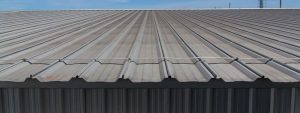
Rust typically develops when protective coatings are damaged or worn away. Coastal environments, high humidity, and standing water can accelerate corrosion.
How to Fix Rust on Metal Roofs
Repairing rust involves cleaning the affected area with a wire brush or grinder, applying a rust-inhibiting primer, and sealing the surface with protective paint or coating. In severe cases, affected panels may need replacement.
Common Metal Roof Problem #3: Loose or Missing Fasteners
Fasteners are critical components that hold metal roof panels in place. Over time, they can loosen due to temperature changes and vibration.
Why Fasteners Become Loose
Thermal expansion causes metal panels to shift slightly, which can gradually loosen screws and nails. Poor installation practices can also contribute to early fastener failure.
How to Fix Fastener Issues
Loose fasteners should be tightened or replaced with new screws that include rubber washers for improved sealing. In some cases, additional fasteners may be installed to secure panels more effectively.
Common Metal Roof Problem #4: Damaged or Dented Panels
Metal roof panels can become dented or punctured due to hail, falling branches, or heavy debris. While minor dents may not immediately cause leaks, they can weaken the roof over time.
Causes of Panel Damage
Severe weather events such as storms and hail are the most common causes of panel damage. Poor roof accessibility can also increase the risk of accidental impact damage.
How to Fix Damaged Panels
Small dents may be repaired using specialised tools, while severely damaged panels must be replaced entirely. Replacement involves carefully removing the affected section and installing a new panel that matches the existing system.
Common Metal Roof Problem #5: Faulty Flashing
Flashing is used to seal roof edges, chimneys, skylights, and vents. When flashing fails, it can lead to significant water intrusion.
Why Flashing Fails
Flashing can deteriorate due to age, improper installation, or sealant breakdown. Movement of the roof structure can also cause flashing to separate from adjoining surfaces.
How to Fix Flashing Issues
Repair involves removing damaged flashing, cleaning the area, applying new waterproof sealant, and installing properly fitted replacement flashing. Ensuring correct alignment is crucial to prevent future leaks.
Common Metal Roof Problem #6: Sealant Deterioration
Sealants are used throughout metal roofs to protect seams and joints. Over time, they can dry out, crack, or lose adhesion.
Why Sealants Break Down
Exposure to UV rays, rain, and temperature fluctuations gradually weakens sealant materials. Poor-quality sealants may degrade faster than expected.
How to Fix Sealant Problems
Old or damaged sealant must be removed completely before applying new roofing-grade sealant. Proper surface cleaning ensures strong adhesion and long-lasting protection.
Common Metal Roof Problem #7: Ponding Water
Ponding water occurs when water collects and remains on the roof surface instead of draining properly. This issue can lead to corrosion and leaks.
Causes of Water Pooling
Improper roof slope, blocked drainage systems, or structural sagging can all contribute to water accumulation.
How to Fix Ponding Water
Solutions may include clearing drainage systems, adjusting roof slope, or installing additional drainage outlets. In severe cases, structural repairs may be necessary.
Preventing Metal Roof Problems
Preventative maintenance is the best way to reduce the risk of metal roof issues and extend the lifespan of your roofing system. Regular inspections and timely repairs can prevent small issues from turning into costly damage.
Routine Inspection Schedule
It is recommended to inspect metal roofs at least twice a year and after severe weather events to identify early signs of damage.
Cleaning and Maintenance Practices
Keeping the roof clean of debris, leaves, and dirt helps prevent moisture buildup and corrosion. Gutters should also be cleaned regularly to ensure proper drainage.
Professional Maintenance Checks
Hiring a professional roofer for periodic inspections ensures that hidden issues are detected early and repaired correctly.
DIY vs Professional Metal Roof Repairs
While some minor maintenance tasks can be handled by homeowners, most metal roof repairs require professional expertise to ensure safety and long-term effectiveness.
When DIY Repairs Are Safe
Simple tasks like cleaning debris, checking visible fasteners, or applying small amounts of sealant may be suitable for experienced homeowners.
When to Call a Professional
Structural damage, large leaks, or extensive corrosion should always be handled by qualified roofing professionals to avoid further damage or safety risks.
Conclusion
Understanding common metal roof problems and how to fix them is essential for maintaining a strong, reliable roofing system. From leaks and rust to loose fasteners and damaged panels, most issues can be effectively managed with timely repairs and regular maintenance. By identifying problems early and applying the correct repair methods, homeowners can significantly extend the lifespan of their metal roofs while avoiding costly replacements. Whether through DIY maintenance or professional services, proactive care ensures your metal roof remains durable, weather-resistant, and efficient for years to come.