
Signs Your Roof Gutters Need Immediate Repair or Replacement
Roof gutters play a crucial role in protecting your home from water damage by directing rainwater away from the roof, walls, and foundation. However, when gutters become damaged, clogged, or worn out, they can quickly turn from a protective system into a costly problem. Knowing the signs your roof gutters need immediate repair or replacement can help you act early and avoid serious structural damage to your home.
This guide explains the most common warning signs, what causes gutter failure, and when it’s time to repair versus fully replace your guttering system.
Why Roof Gutter Condition Matters
Your gutter system is your home’s first line of defence against rainwater damage. When it is functioning properly, it safely channels water away from your property. But when it fails, the consequences can be expensive and far-reaching.
Protecting Your Home from Water Damage
Damaged gutters can cause water to overflow and seep into your roof, walls, and foundation. Over time, this leads to mould growth, timber rot, and internal structural issues.
Maintaining Structural Integrity
A failing gutter system can compromise your home’s foundation by allowing water to pool around the base of the property. This can result in cracks, shifting soil, and long-term instability.
Common Signs Your Roof Gutters Need Immediate Repair or Replacement
There are several clear indicators that your gutter system is no longer functioning properly. Identifying these early can save you thousands in repair costs.
1. Visible Cracks or Splits in Gutters
Cracks and splits are one of the most obvious signs of gutter damage. Even small cracks can expand over time, allowing water to leak through and damage surrounding structures. If cracks are widespread, replacement is often the better option.
2. Peeling Paint or Rust Spots
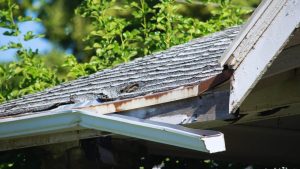
If you notice peeling paint or rust forming on your gutters, it’s a sign that water is sitting where it shouldn’t be. This often indicates poor drainage or aged materials. Rust weakens metal gutters and eventually leads to holes.
3. Sagging or Pulling Away from the Roof
Gutters should sit firmly against your roofline. If they are sagging or pulling away, it usually means they are overloaded with debris or have damaged brackets. This issue should be addressed immediately to prevent collapse.
4. Water Overflow During Rain
If water spills over the edges of your gutters during rainfall, it indicates a blockage or improper slope. Overflowing water can damage your fascia boards, siding, and landscaping.
5. Water Pooling Around Your Home’s Foundation
One of the most serious warning signs is water pooling near your home’s foundation. This means your gutters are not effectively directing water away from the property, increasing the risk of foundation damage.
Less Obvious Signs of Gutter Problems
Some gutter issues are not immediately visible but still indicate that repair or replacement may be needed.
6. Mold, Mildew, or Water Stains on Exterior Walls
If you see staining or mould growth on exterior walls, it may be due to overflowing or leaking gutters. Constant moisture exposure can damage both exterior and interior surfaces.
7. Plant Growth in Gutters
Weeds, grass, or moss growing inside your gutters are a sign of long-term blockage and trapped moisture. This can accelerate deterioration of the gutter material.
8. Detached or Loose Gutter Sections
If parts of your guttering system appear disconnected or hanging loosely, it indicates structural failure. This often happens due to age, storm damage, or poor installation.
What Causes Roof Gutter Damage?
Understanding what leads to gutter failure can help you prevent future issues.
Debris Build-Up and Blockages
Leaves, twigs, and dirt are the most common causes of gutter problems. When not cleaned regularly, this debris can block water flow and add excessive weight to the system.
Weather Exposure and Storm Damage
Heavy rain, wind, and hail can damage gutters over time. Storms may loosen brackets, bend sections, or create cracks.
Aging Materials
All gutter systems have a lifespan. Metal gutters may rust, while PVC gutters can become brittle and crack with age and sun exposure.
Repair vs Replacement: How to Decide
Not all gutter problems require full replacement. In some cases, repairs may be sufficient.
When Gutter Repair Is Enough
Repairs are usually suitable when:
Damage is minor and localised
Only a few brackets or sections are affected
There are small leaks or joint issues
Gutters are relatively new
When Gutter Replacement Is Necessary
Full replacement is recommended when:
There are widespread cracks or rust
Gutters are sagging across multiple sections
Water damage is already affecting your home
The system is over 20 years old or outdated
Risks of Ignoring Damaged Gutters
Delaying repairs or replacement can lead to serious and costly consequences.
Roof and Ceiling Damage
Water that backs up into the roof can cause leaks, ceiling stains, and insulation damage.
Foundation Issues
Poor drainage can weaken your home’s foundation, leading to cracks and long-term structural instability.
Pest Infestations
Standing water and debris create the perfect environment for insects, rodents, and birds to nest.
How to Inspect Your Gutters Safely
Regular inspection helps you identify issues before they become serious.
Check After Heavy Rain
Look for overflow, leaks, or unusual water patterns after storms.
Look for Physical Damage
Inspect gutters from ground level for sagging, rust, or visible cracks.
Check Downspouts
Ensure water is flowing freely through downspouts and away from your home.
Preventing Future Gutter Problems
Proper maintenance can extend the life of your gutter system and reduce repair costs.
Regular Cleaning
Clean gutters at least twice a year to prevent blockages and overflow.
Install Gutter Guards
Gutter guards help reduce debris build-up and minimise maintenance needs.
Schedule Professional Inspections
Annual inspections by a roofing professional can detect early signs of damage.
Conclusion
Recognising the signs your roof gutters need immediate repair or replacement is essential for protecting your home from water damage and costly structural issues. From visible cracks and sagging sections to hidden signs like mould and foundation pooling, early detection is key.
By acting quickly and maintaining your gutter system regularly, you can extend its lifespan, improve home safety, and avoid expensive repairs in the future.