
How Often Should Fascia Boards Be Inspected? (Complete Home Maintenance Guide)
Fascia boards play a crucial role in protecting your home’s roofline, supporting gutters, and preventing moisture from entering your roof structure. However, because they are constantly exposed to weather, wind, and water, they require regular inspection to prevent hidden damage from becoming expensive repairs.
This SEO-optimised guide explains how often fascia boards should be inspected, what signs to look for, seasonal maintenance tips, and when to call a professional.
What Are Fascia Boards and Why Do They Need Inspection?
Fascia boards are the horizontal boards that run along the edge of your roof, directly supporting the guttering system and covering exposed rafter ends. They act as a protective barrier between your roof and the outside environment.
Over time, fascia boards can deteriorate due to moisture, pests, UV exposure, and blocked gutters. Regular inspections help identify problems early before they escalate into structural damage.
Main Functions of Fascia Boards
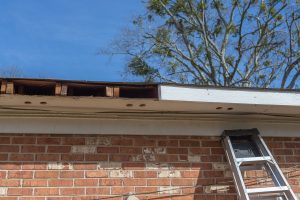
Supporting guttering systems
Protecting roof rafters from water damage
Preventing pests from entering roof cavities
Providing a clean roofline finish
Because of these important roles, fascia boards should be part of every homeowner’s routine maintenance schedule.
How Often Should Fascia Boards Be Inspected?
In general, fascia boards should be inspected at least twice a year, ideally in spring and autumn. These seasons are important because they follow extreme weather periods that can cause damage.
Recommended Inspection Schedule
Twice yearly: Spring and autumn (minimum recommendation)
After severe storms: Immediately following heavy rain, wind, or hail
During gutter cleaning: Every 6–12 months
Before winter: To ensure protection against harsh weather
Regular inspections help detect issues early, preventing costly repairs later.
Why Twice-Yearly Inspections Are Recommended
Inspecting fascia boards twice a year ensures that seasonal damage is caught early.
Spring Inspection Benefits
After winter, fascia boards may show signs of:
Water damage from heavy rainfall
Freeze-thaw cracking in timber
Blocked gutters causing overflow
Early signs of rot or mould
Spring is the ideal time to assess and repair winter damage.
Autumn Inspection Benefits
Autumn inspections prepare your home for colder months. This is when:
Leaves and debris clog gutters
Moisture builds up around roof edges
Timber fascia begins to absorb excess water
Fixing issues in autumn helps prevent winter deterioration.
Signs You Should Inspect Fascia Boards Immediately
While twice a year is the standard, some situations require urgent inspection.
1. After Severe Weather Events
Storms, heavy winds, or hail can loosen or damage fascia boards. Always check for:
Cracked or split boards
Detached guttering
Water leaks near roof edges
2. Visible Water Overflow from Gutters
If gutters overflow during rain, water may be seeping into fascia boards, increasing the risk of rot.
3. Interior Signs of Roof Damage
Sometimes fascia issues are revealed inside the home:
Damp patches on ceilings
Mould growth in attic spaces
Musty smells near roof areas
These signs often indicate external fascia or gutter problems.
What Happens If Fascia Boards Are Not Inspected Regularly?
Neglecting fascia inspections can lead to serious structural and financial consequences.
1. Wood Rot and Structural Damage
Moisture buildup can cause fascia boards to rot, weakening their ability to support gutters and roof edges.
2. Gutter Failure
Damaged fascia cannot properly support gutters, leading to:
Sagging gutters
Water leaks
Complete gutter detachment
3. Roof Leaks and Water Ingress
Water can seep into roof spaces, causing:
Damaged insulation
Ceiling stains
Structural timber decay
4. Pest Infestations
Cracked or rotting fascia boards can allow birds, insects, and rodents into roof cavities.
How to Inspect Fascia Boards Safely
Fascia inspection can be done by homeowners, but safety should always come first.
Step 1: Visual Ground-Level Inspection
Start by walking around your home and looking for:
Discoloured or peeling paint
Sagging gutters
Visible cracks or gaps
Step 2: Use Binoculars for Detail
For hard-to-reach areas, binoculars can help you inspect fascia boards without climbing ladders.
Step 3: Ladder Inspection (If Safe)
If you use a ladder:
Ensure it is stable and on level ground
Avoid wet or windy conditions
Have someone hold the ladder for safety
Check for:
Soft or spongy wood
Loose nails or screws
Water stains or mould
Common Problems Found During Fascia Inspections
Regular inspections often reveal early warning signs of damage.
1. Peeling Paint or Surface Cracks
This is often the first sign of moisture penetration.
2. Soft or Rotten Timber
If the fascia feels soft when touched, rot may already be present.
3. Loose or Misaligned Gutters
Gutters pulling away from fascia boards indicate structural weakness.
4. Water Stains and Discolouration
Dark patches often signal long-term water exposure.
When to Repair or Replace Fascia Boards
Not all damage requires full replacement. Knowing when to act is key.
Repair Is Suitable When:
Damage is small and localised
Fascia is still structurally sound
Issues are caught early
Replacement Is Needed When:
Large sections are rotten
Fascia is soft or crumbling
Gutter support is compromised
Water damage is widespread
How Regular Inspections Save Money
Routine fascia inspections are a cost-effective way to avoid major repairs.
Preventing Expensive Repairs
Early detection can prevent:
Roof replacement costs
Structural timber repairs
Interior water damage restoration
Extending Fascia Lifespan
Well-maintained fascia boards can last significantly longer, especially when combined with:
Regular cleaning
Repainting or sealing timber
Gutter maintenance
Professional Fascia Inspection: When Is It Needed?
While homeowners can perform basic checks, professionals should be called when:
Damage is difficult to assess
Roof height makes inspection unsafe
Structural issues are suspected
You are planning renovations or replacements
Professional roofers can identify hidden issues that are not visible from ground level.
Tips to Reduce Fascia Damage Between Inspections
Preventative care reduces the risk of unexpected damage.
1. Keep Gutters Clean
Blocked gutters are one of the main causes of fascia rot.
2. Repaint Timber Fascia Regularly
Protective coatings help prevent moisture absorption.
3. Trim Overhanging Trees
Branches can scrape fascia boards and increase moisture retention.
4. Check Roof Tiles and Flashing
Damaged roofing materials can direct water onto fascia boards.
Conclusion
Fascia boards should be inspected at least twice a year, ideally in spring and autumn, with additional checks after storms or visible gutter issues. Regular inspections are essential for preventing rot, water damage, and costly structural repairs.
By making fascia inspections part of your routine home maintenance, you can extend the life of your roofline, protect your property, and avoid unexpected repair expenses.