
Preventing Fascia Rot: Best Maintenance Practices for Homeowners (Complete Roofline Care Guide)
Fascia rot is one of the most common and costly roofline problems homeowners face. Because fascia boards sit at the edge of the roof, they are constantly exposed to rain, wind, sun, and overflowing gutters. Once moisture penetrates the timber, rot can spread quickly and compromise both the fascia and the roof structure.
What Is Fascia Rot and Why Does It Happen?
Fascia rot occurs when timber fascia boards absorb moisture over time and begin to decay. This typically starts small but can spread rapidly if left untreated, eventually weakening the entire roof edge.
Fascia boards are designed to protect the roof rafters and support the guttering system. When they fail, water can enter roof spaces and cause significant structural damage.
Main Causes of Fascia Rot
Blocked or overflowing gutters
Poor roof drainage
Damaged or missing roof tiles
Lack of protective paint or sealant
Long-term exposure to rain and humidity
Poor ventilation in roof cavities
Understanding these causes is the first step in preventing fascia deterioration.
Why Preventing Fascia Rot Is Important
Preventing fascia rot is far more cost-effective than repairing or replacing damaged boards. Once rot spreads, it often affects surrounding structures such as soffits, rafters, and gutters.
Key Risks of Ignoring Fascia Maintenance
Roof leaks and water ingress
Gutter collapse or misalignment
Structural timber damage
Pest infestations in roof spaces
Expensive full roofline replacement
Regular maintenance helps avoid these problems and extends the lifespan of your roofline system.
Best Maintenance Practices to Prevent Fascia Rot
Preventing fascia rot requires consistent care and attention. The following maintenance practices are essential for homeowners.
1. Keep Gutters Clean and Free-Flowing
Blocked gutters are the leading cause of fascia rot. When gutters overflow, water runs directly onto fascia boards, causing long-term moisture damage.
Gutter Maintenance Tips
Clean gutters at least twice a year
Remove leaves, moss, and debris regularly
Check for blockages after storms
Ensure downpipes are flowing freely
Clean gutters significantly reduce water exposure to fascia boards.
2. Inspect Fascia Boards Regularly
Routine inspections help detect early signs of damage before rot sets in.
What to Look For
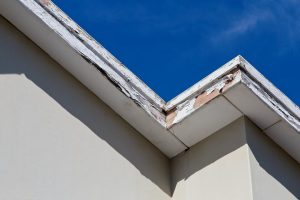
Peeling or blistering paint
Soft or discoloured timber
Cracks or gaps in the board
Water stains or mould growth
Early detection allows for simple repairs instead of full replacement.
3. Repaint or Seal Timber Fascia Boards
Protective coatings act as a barrier against moisture and UV damage.
Best Practices for Protection
Apply exterior-grade paint or sealant
Repaint every 3–5 years
Ensure edges and joints are fully sealed
Use primer before painting bare timber
Proper sealing is one of the most effective ways to prevent fascia rot.
4. Repair Roof Damage Immediately
Damaged roof tiles or flashing can allow water to run directly onto fascia boards.
Common Roof Issues That Cause Fascia Rot
Missing or cracked tiles
Loose ridge caps
Damaged flashing around chimneys
Roof leaks during heavy rain
Fixing roof issues early prevents moisture from reaching fascia boards.
5. Improve Roof Ventilation
Poor ventilation traps moisture in roof spaces, which can accelerate timber decay.
Ventilation Improvements
Install roof vents or ridge vents
Ensure soffit vents are not blocked
Maintain airflow in attic spaces
Good ventilation helps keep fascia boards dry and reduces condensation buildup.
6. Trim Overhanging Trees
Trees close to the roof can contribute to fascia rot by trapping moisture and dropping debris into gutters.
Benefits of Tree Maintenance
Reduces leaf buildup in gutters
Improves sunlight exposure for drying
Prevents physical damage from branches
Keeping trees trimmed helps maintain a dry and clean roofline.
7. Install uPVC Fascia Boards for Long-Term Protection
One of the most effective ways to prevent fascia rot is to replace timber boards with uPVC alternatives.
Advantages of uPVC Fascia
Resistant to moisture and rot
Low maintenance requirements
Long lifespan (20–30+ years)
No need for repainting
Although uPVC has a higher upfront cost, it significantly reduces maintenance needs.
Early Warning Signs of Fascia Rot
Recognising early symptoms of fascia rot can prevent major damage.
Visual Indicators
Peeling or cracked paint
Dark stains along roof edges
Warped or uneven boards
Physical Indicators
Soft or spongy timber when touched
Sections breaking away easily
Loose gutter brackets
Environmental Indicators
Persistent damp smell in roof space
Mould or mildew near roof edges
Water dripping during rainstorms
If you notice these signs, immediate inspection and repair are recommended.
Seasonal Fascia Maintenance Checklist
Different seasons bring different risks to fascia boards.
Spring Maintenance
Inspect for winter storm damage
Clean gutters and downpipes
Check for mould or water stains
Summer Maintenance
Repaint or reseal timber fascia
Inspect for UV damage or cracking
Trim nearby trees and vegetation
Autumn Maintenance
Clear falling leaves from gutters
Check drainage before heavy rain season
Inspect roof tiles and flashing
Winter Maintenance
Watch for overflow during storms
Check for ice or water buildup
Monitor indoor signs of leaks
DIY vs Professional Fascia Maintenance
Homeowners can perform basic maintenance, but some tasks require professional expertise.
DIY Maintenance Tasks
Cleaning gutters
Visual inspections
Repainting timber fascia
Clearing debris from roof edges
Professional Services
Full fascia inspection
Structural repairs or replacement
Gutter realignment
Roof leak diagnosis
Professionals can identify hidden issues that are not visible from ground level.
Cost of Ignoring Fascia Maintenance
Failing to maintain fascia boards can lead to expensive repairs.
Potential Repair Costs
Minor fascia repair: $300 – $1,500
Full fascia replacement: $1,500 – $10,000+
Roof repair from water damage: $3,000 – $20,000+
Preventative maintenance is significantly cheaper than emergency repairs.
Long-Term Strategy for Fascia Protection
Preventing fascia rot is not a one-time task but an ongoing maintenance strategy.
Key Long-Term Habits
Schedule biannual inspections
Keep gutters consistently clean
Maintain roof condition proactively
Use weather-resistant materials when upgrading
Address minor issues immediately
Consistent care ensures fascia boards remain strong and functional for decades.
Conclusion
Preventing fascia rot comes down to regular maintenance, early detection, and proactive roofline care. Simple habits such as cleaning gutters, repainting timber, inspecting roof damage, and ensuring proper ventilation can significantly extend the lifespan of fascia boards.
For homeowners, investing a small amount of time in maintenance can prevent costly structural repairs in the future. Whether you choose timber or uPVC fascia, consistent care is the key to a strong, weather-resistant roofline.