Polycarbonate Roof Maintenance Tips to Extend Its Lifespan
Polycarbonate roofing is one of the most popular choices for patios, pergolas, greenhouses, carports, and outdoor shelters due to its strength, lightweight structure, and excellent light transmission. However, like any roofing material, it requires regular care to maintain its performance and appearance over time.
This guide provides essential polycarbonate roof maintenance tips to extend its lifespan, improve durability, and keep it looking clean and functional for years.
Why Polycarbonate Roof Maintenance Is Important
Even though polycarbonate roofing is designed to withstand harsh weather conditions, neglecting maintenance can reduce its effectiveness over time.
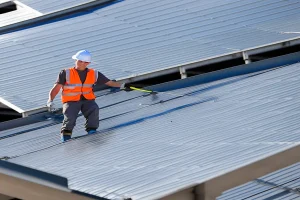
Common Issues Caused by Poor Maintenance
Reduced light transmission due to dirt buildup
Yellowing or discoloration from UV exposure
Water leaks from damaged seals
Structural weakening from loose fixings
Algae or mould growth in channels
Regular maintenance helps preserve both the appearance and structural integrity of your roofing system.
Tip 1: Clean Your Polycarbonate Roof Regularly
Cleaning is the most important maintenance task for extending the lifespan of your polycarbonate roof.
How Often Should You Clean?
Ideally, you should clean your roof every 3 to 6 months depending on your environment. Areas with heavy dust, trees, or pollution may require more frequent cleaning.
Best Cleaning Methods
Use lukewarm water with mild soap
Apply using a soft sponge or microfiber cloth
Rinse thoroughly with a garden hose
Avoid high-pressure washers
What to Avoid
Abrasive cleaners or harsh chemicals
Scrubbing brushes or steel wool
Solvents like acetone or ammonia
Using gentle cleaning methods prevents scratching and surface damage.
Tip 2: Inspect for Damage After Severe Weather
Storms, strong winds, and hail can affect the condition of your roofing system.
What to Look For
Cracks or fractures in panels
Loose screws or fasteners
Dislodged flashing or trims
Water pooling on the surface
Why Post-Weather Inspections Matter
Catching small issues early prevents costly repairs and structural deterioration over time.
Tip 3: Check and Maintain Fixings
The screws and fasteners that hold your polycarbonate roof in place play a crucial role in its stability.
Loose or Missing Screws
Over time, thermal expansion and contraction can cause fixings to loosen.
Overtightened Fasteners
These can crack the sheets or restrict natural movement of the material.
Maintenance Best Practices
Inspect fixings at least twice a year
Replace rusted or damaged screws
Ensure rubber washers remain intact
Proper fastening maintenance ensures long-term structural integrity.
Tip 4: Maintain Proper Drainage
Good drainage prevents water accumulation, leaks, and algae growth.
Keep Gutters Clean
Blocked gutters can cause water to overflow onto the roof surface, increasing wear.
Ensure Correct Roof Slope
A minimum pitch of 5–10 degrees is recommended to allow efficient water runoff.
Watch for Standing Water
Pooling water indicates drainage problems that should be corrected immediately.
Tip 5: Protect Against UV and Heat Damage
Although most polycarbonate sheets come with UV protection, long-term exposure still requires care.
UV Layer Protection
Ensure the UV-coated side is facing outward and remains intact.
Avoid Heat Concentration
Nearby reflective surfaces or incorrect installation can increase heat buildup.
Maintenance Tips
Inspect for yellowing or fading
Replace damaged panels promptly
Avoid covering the roof with opaque materials that trap heat
Tip 6: Prevent Algae, Moss, and Dirt Buildup
Organic growth can affect both appearance and performance.
Why It Happens
Moist environments, shade, and poor drainage encourage algae and moss growth.
How to Prevent It
Keep roof surfaces clean and dry
Trim nearby trees to reduce shade
Ensure proper airflow around the structure
Safe Cleaning for Organic Growth
Use mild soap and warm water. For stubborn algae, a diluted vinegar solution can be used cautiously.
Tip 7: Inspect Seals and Edges Regularly
Seals and edge protection prevent moisture and debris from entering the sheets.
Check for Tape Deterioration
Anti-dust and vented tapes may degrade over time and need replacement.
End Cap Condition
Damaged or loose end caps can allow insects and moisture inside the channels.
Maintenance Actions
Replace worn sealing tape
Reapply silicone where necessary
Ensure end caps are tightly secured
Tip 8: Avoid Physical Damage
Polycarbonate is strong but not indestructible.
Common Causes of Damage
Walking directly on sheets
Falling branches or debris
Improper tool use during maintenance
How to Prevent Damage
Never step directly on roofing panels
Trim overhanging trees regularly
Use proper ladders or walk boards for access
Tip 9: Reapply Sealant When Needed
Sealants play a key role in preventing leaks at joints and flashing points.
Signs Sealant Needs Replacement
Cracks or peeling edges
Visible gaps at joints
Water leakage during rain
Maintenance Advice
Remove old sealant before applying a fresh layer to ensure proper adhesion and waterproofing.
Tip 10: Schedule Professional Inspections
While DIY maintenance is effective, professional inspections can identify hidden issues.
What Professionals Check
Structural integrity of the frame
Condition of glazing bars and fixings
Hidden leaks or stress points
How Often Should You Inspect?
A professional inspection every 1–2 years is recommended for long-term durability.
Conclusion: Maximising the Lifespan of Your Polycarbonate Roof
Proper maintenance is essential to ensure your polycarbonate roof remains durable, attractive, and weather-resistant for many years. By following these polycarbonate roof maintenance tips to extend its lifespan, you can prevent common issues such as leaks, discoloration, and structural damage.