Colorbond Roofing Explained: Benefits, Costs, and Lifespan
Colorbond roofing is one of the most widely used roofing systems in Australia, valued for its durability, modern design, and ability to perform in harsh weather conditions. Whether you are building a new home or replacing an old roof, understanding Colorbond roofing can help you make a confident long-term investment.
This article explains everything you need to know about Colorbond roofing, including its benefits, installation costs, lifespan, maintenance, and why it continues to be a leading roofing choice in Australia.
What Is Colorbond Roofing?
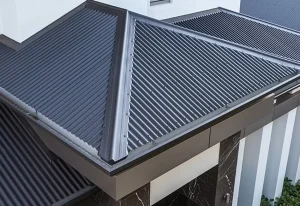
Colorbond roofing is a pre-painted steel roofing material designed specifically for Australian conditions. It is manufactured using high-quality steel that is coated with protective layers and finished with baked-on paint for long-lasting durability.
It is commonly used in residential homes, commercial buildings, garages, sheds, and industrial structures due to its strength and versatility.
How Colorbond Steel Is Made
Colorbond steel goes through a multi-layer manufacturing process:
A steel base provides structural strength
A metallic coating protects against corrosion
A pre-treatment layer improves adhesion
A primer enhances paint bonding
A baked-on colour finish provides long-term protection
This layered system ensures Colorbond roofing can withstand extreme weather conditions while maintaining its appearance.
Key Benefits of Colorbond Roofing
Colorbond roofing is popular because it offers a combination of strength, style, and long-term value.
1. Exceptional Durability
Colorbond steel is designed to last for decades without cracking, warping, or deteriorating. It is highly resistant to physical damage and environmental stress.
2. Weather Resistance
One of its strongest advantages is its ability to withstand Australia’s harsh climate, including:
Heavy rainfall and storms
Strong winds
High UV exposure
Coastal salt air
Bushfire-prone environments
3. Lightweight Structure
Compared to tile roofing, Colorbond is significantly lighter, which reduces structural stress and makes it easier to install.
4. Low Maintenance Requirements
Colorbond roofs require minimal upkeep. Occasional cleaning and inspections are usually enough to keep the roof in excellent condition.
Energy Efficiency and Environmental Advantages
Modern homeowners are increasingly concerned about energy efficiency and sustainability, and Colorbond roofing performs well in both areas.
Heat Reflective Technology
Colorbond roofing is designed to reflect more sunlight and absorb less heat compared to traditional roofing materials. This helps maintain cooler indoor temperatures during hot Australian summers.
Environmentally Friendly Material
Steel is one of the most recyclable materials globally. Colorbond roofing is fully recyclable, making it a more sustainable choice compared to many traditional roofing materials.
Colorbond Roofing Installation Process
Proper installation is essential for ensuring long-term performance and durability.
Step 1: Roof Structure Assessment
Before installation, the roof frame is inspected to ensure it can support the steel sheets safely and securely.
Step 2: Insulation Installation
Insulation is added to improve thermal performance and reduce noise from rain or hail.
Step 3: Sheet Placement
Colorbond steel sheets are installed in overlapping sections to ensure water tightness and structural integrity.
Step 4: Flashing and Sealing
All roof joints, edges, and penetrations are sealed using flashing to prevent leaks and weather damage.
How Much Does Colorbond Roofing Cost?
The cost of Colorbond roofing varies depending on several factors, including roof size, design complexity, and labour requirements.
Average Cost Factors
Roof size and total surface area
Type of Colorbond profile used
Installation difficulty and roof pitch
Additional insulation or structural work
While Colorbond roofing may have a higher initial cost than some alternatives, it often delivers better long-term value due to its durability and low maintenance requirements.
Lifespan of Colorbond Roofing
One of the biggest advantages of Colorbond roofing is its long lifespan.
How Long Does Colorbond Last?
A properly installed and maintained Colorbond roof can last between 30 and 50 years, depending on environmental conditions and maintenance.
Factors That Affect Lifespan
Coastal exposure and salt air
Maintenance frequency
Installation quality
Weather conditions
Regular maintenance can significantly extend the life of the roof.
Maintenance Tips for Colorbond Roofing
Colorbond roofing is low maintenance, but basic care can help maximise its lifespan.
Regular Cleaning
Removing leaves, dirt, and debris helps prevent drainage issues and maintains appearance.
Gutter Maintenance
Keeping gutters clean ensures proper water flow and prevents overflow damage.
Routine Inspections
Checking for loose screws, minor corrosion, or debris buildup helps prevent long-term damage.
Colorbond Roofing vs Other Materials
Comparing Colorbond roofing to other materials helps highlight its advantages.
Colorbond vs Tile Roofing
Colorbond is lighter and faster to install
Tiles can crack and require more maintenance
Colorbond performs better in extreme weather
Colorbond vs Asphalt Shingles
Colorbond lasts significantly longer
Steel performs better in hot and windy climates
Shingles may require more frequent replacement
Is Colorbond Roofing Worth It?
For many Australian homeowners, Colorbond roofing is considered a worthwhile investment due to its durability, low maintenance, and long lifespan. While the upfront cost may be higher, the long-term savings on repairs and energy efficiency make it a cost-effective choice.
It is especially suitable for homes in areas exposed to harsh weather conditions or bushfire risk.
Conclusion: Why Colorbond Roofing Remains a Leading Choice
Colorbond roofing continues to be one of the most popular roofing materials in Australia because it combines strength, style, and long-term reliability. It is designed to withstand harsh Australian conditions while offering modern aesthetics and excellent energy efficiency.