Cleaning and Caring for Polycarbonate Roofing Without Damage
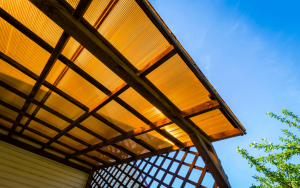
Polycarbonate roofing is a popular choice for patios, pergolas, greenhouses, carports, and outdoor shelters because it is lightweight, durable, and allows natural light to pass through while providing excellent UV protection. However, to keep it performing at its best, proper cleaning and care are essential.
This guide explains how to clean and care for polycarbonate roofing without damage, using safe methods that preserve clarity, strength, and long-term durability.
Why Proper Cleaning of Polycarbonate Roofing Matters
Polycarbonate sheets are designed to withstand harsh weather, but dirt, debris, and improper cleaning methods can reduce their lifespan.
What Happens If You Don’t Clean Properly
Reduced natural light transmission
Yellowing or clouding over time
Surface scratches from improper tools
Algae and mould growth
Blocked drainage channels in multiwall sheets
Regular and safe cleaning helps maintain both appearance and performance.
Understanding Polycarbonate Roofing Before Cleaning
Before you start cleaning, it’s important to understand the material structure.
Solid vs Multiwall Polycarbonate
Solid sheets: Smooth, glass-like appearance, easier to clean
Multiwall sheets: Hollow internal channels that require careful cleaning to avoid moisture buildup
UV-Protected Layer
Most polycarbonate roofing has a UV-coated side that must not be damaged during cleaning. Harsh scrubbing or chemicals can weaken this protective layer.
Step 1: Choose the Right Cleaning Tools
Using the correct tools is essential to avoid scratches and surface damage.
Recommended Cleaning Tools
Soft microfiber cloths or sponges
Bucket of lukewarm water
Garden hose with gentle spray
Mild dish soap or pH-neutral detergent
Soft-bristle brush (for stubborn dirt only)
Tools to Avoid
Steel wool or abrasive pads
High-pressure washers
Harsh chemical cleaners
Solvent-based products (acetone, ammonia, bleach)
Using safe tools ensures the roof remains scratch-free and clear.
Step 2: Prepare the Roof Before Cleaning
Preparation makes the cleaning process safer and more effective.
Remove Loose Debris
Start by removing leaves, branches, and dust using a soft broom or gentle air blower.
Check Weather Conditions
Avoid cleaning during extreme heat or direct sunlight, as this can cause water to dry too quickly and leave streaks.
Ensure Safe Access
Use a stable ladder or scaffolding. Never walk directly on polycarbonate sheets as they may crack or deform under pressure.
Step 3: Wash the Surface Gently
The washing stage should be done carefully to avoid damage.
Use Lukewarm Soapy Water
Mix mild dish soap with lukewarm water. Apply using a soft sponge or cloth.
Work in Sections
Clean small sections at a time to prevent soap from drying on the surface.
Rinse Thoroughly
Use a gentle hose spray to remove all soap residue, ensuring no streaks are left behind.
Step 4: Remove Stubborn Dirt and Stains
Sometimes dirt, bird droppings, or algae require extra attention.
Soak Before Scrubbing
Let warm soapy water sit on the stain for a few minutes before wiping.
Use Soft Brushes Only
For tougher spots, use a soft-bristle brush with gentle circular motions.
Safe Cleaning Solutions
Diluted vinegar solution for algae
Mild detergent for grease or grime
Avoid anything abrasive or acidic that can damage the UV coating.
Step 5: Clean Multiwall Polycarbonate Carefully
Multiwall sheets require special care due to their internal channels.
Avoid Water Infiltration
Do not force high-pressure water into the channels, as this can trap moisture inside.
Keep Vent Tapes Intact
Ensure vented tape at the bottom edges is not damaged during cleaning.
Prevent Internal Contamination
Regular maintenance reduces the risk of algae or mould forming inside the panels.
Step 6: Dry the Surface Properly
Drying is an important but often overlooked step.
Air Drying vs Manual Drying
Polycarbonate roofs can air dry naturally, but wiping with a microfiber cloth helps prevent water spots.
Avoid Heat Drying
Do not use hot air blowers or direct heat sources as they may warp the material.
Step 7: Protect the UV-Coated Surface
The UV layer is critical for long-term durability.
Why UV Protection Matters
It prevents yellowing, brittleness, and sun damage over time.
Cleaning Best Practices
Avoid abrasive scrubbing
Do not use alcohol-based cleaners
Always use soft materials
Proper care preserves clarity and strength.
Step 8: Prevent Future Dirt Build-Up
Preventative care reduces how often deep cleaning is needed.
Trim Nearby Trees
Overhanging branches drop leaves, sap, and debris onto the roof.
Improve Drainage
Ensure gutters and roof slopes allow water to flow freely.
Regular Light Cleaning
A quick rinse every few weeks helps prevent heavy dirt accumulation.
Step 9: Inspect for Damage During Cleaning
Cleaning is the perfect time to check for issues.
What to Look For
Cracks or scratches
Loose screws or fasteners
Water leakage points
Discoloured or foggy panels
Why Inspection Matters
Early detection prevents small issues from turning into costly repairs.
Step 10: Avoid Common Cleaning Mistakes
Many homeowners damage their polycarbonate roofing without realising it.
Using Harsh Chemicals
Bleach, ammonia, and strong solvents can permanently damage the surface.
High-Pressure Washing
This can crack sheets or force water into sealed channels.
Cleaning in Direct Sunlight
Hot surfaces cause soap and water to dry too quickly, leaving streaks and stains.
Long-Term Care Tips for Polycarbonate Roofing
Beyond cleaning, ongoing care extends the roof’s lifespan.
Regular Maintenance Schedule
Light cleaning: every 1–2 months
Deep cleaning: every 3–6 months
Inspection: after severe weather events
Professional Servicing
Consider professional inspections every 1–2 years for structural assessment and deep cleaning.
Conclusion: Safe Cleaning for Long-Lasting Performance
Proper cleaning and care are essential for maintaining the beauty, strength, and durability of polycarbonate roofing. By following these cleaning and caring for polycarbonate roofing without damage guidelines, you can protect your investment and ensure long-term performance.
Using gentle cleaning methods, avoiding harsh chemicals, and performing regular maintenance will keep your roof clear, strong, and weather-resistant for many years. With the right care routine, polycarbonate roofing continues to deliver excellent light transmission, UV protection, and structural reliability in both residential and commercial applications.