DIY Fascia Repair vs Hiring a Professional: What’s Worth It? (Complete Homeowner Guide)
When fascia boards become damaged, homeowners are often faced with an important decision: attempt a DIY fascia repair or hire a professional contractor. While DIY work can seem cost-effective, fascia systems play a critical structural and protective role in your roofline, meaning mistakes can lead to expensive long-term damage.
What Is Fascia and Why Is It Important?
Fascia boards are the long, straight boards fixed along the lower edge of your roof. They support the guttering system and protect the roof rafters from moisture, pests, and weather exposure.
Main Functions of Fascia Boards
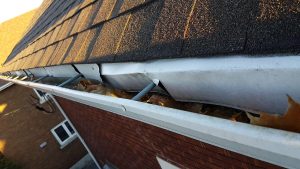
Supporting and securing gutters
Protecting roof rafters from water damage
Preventing pests from entering roof spaces
Providing a clean, finished roofline appearance
Because fascia is exposed to constant weathering, it can deteriorate over time and require repair or replacement.
DIY Fascia Repair: What It Involves
DIY fascia repair typically involves fixing minor damage such as small sections of rot, repainting, sealing gaps, or replacing short lengths of board.
Common DIY Fascia Repair Tasks
Replacing small damaged sections of fascia
Filling cracks or holes with wood filler or epoxy
Sanding and repainting timber fascia
Resealing joints and edges to prevent moisture entry
Cleaning and maintaining gutters to prevent overflow damage
Tools Required for DIY Fascia Repair
To complete fascia repairs safely and effectively, you may need:
Ladder or scaffold tower
Pry bar or hammer
Saw (hand saw or circular saw)
Drill and screws
Measuring tape
Exterior-grade sealant or filler
Paint and primer for timber fascia
Safety gloves and goggles
While these tools are accessible, working at height significantly increases risk.
Pros of DIY Fascia Repair
DIY fascia repair appeals to many homeowners because of potential savings and convenience.
1. Lower Upfront Costs
One of the biggest advantages is cost reduction. You only pay for materials and tools, avoiding labour charges.
DIY repair cost: $100 – $500 (small repairs)
Professional repair cost: $300 – $1,500+
2. Immediate Action on Minor Issues
If damage is small, you can fix it quickly without waiting for a contractor.
This is useful for:
Small cracks
Minor water damage
Loose boards or peeling paint
3. Flexibility and Control
DIY allows you to work on your own schedule and choose materials or finishes based on preference.
Cons of DIY Fascia Repair
Despite the savings, DIY fascia repair carries several risks that homeowners often underestimate.
1. Safety Risks
Working on fascia usually requires ladders or roof access. Falls are one of the most common causes of home repair injuries.
Risks include:
Losing balance on ladders
Slipping on wet surfaces
Falling from roof edges
2. Hidden Structural Damage
What looks like minor fascia damage may actually indicate deeper issues such as:
Rafter rot
Roof leaks
Soffit damage
Water ingress behind walls
Without professional inspection, these problems can go unnoticed and worsen over time.
3. Limited Durability of Repairs
DIY repairs may not last as long due to:
Incorrect sealing techniques
Inadequate material matching
Lack of professional-grade tools
This can lead to repeated repairs and higher long-term costs.
4. Time and Skill Requirements
Even small fascia repairs can be time-consuming and require precision. Mistakes can lead to further damage or poor aesthetics.
Hiring a Professional: What to Expect
Professional fascia repair or replacement involves trained roofline specialists who assess, repair, or fully replace damaged fascia systems using commercial-grade materials and equipment.
Typical Professional Services Include
Full roofline inspection
Removal of damaged fascia boards
Installation of new timber, uPVC, or aluminium fascia
Gutter removal and reinstallation
Waterproof sealing and finishing
Waste disposal and cleanup
Pros of Hiring a Professional
For most homeowners, professional fascia repair offers greater reliability and long-term value.
1. Safety and Compliance
Professionals are trained to work at height safely and use proper scaffolding and safety equipment, reducing accident risks.
2. High-Quality Workmanship
Experienced contractors ensure:
Proper alignment and fitting
Weather-resistant sealing
Long-lasting materials
Clean, professional finish
3. Faster Completion Time
What might take a DIY homeowner several days can often be completed in a few hours or a single day by professionals.
4. Identification of Hidden Issues
Professionals can detect underlying problems such as:
Roof leaks
Rotting rafters
Gutter misalignment
Structural weaknesses
Early detection helps prevent expensive future repairs.
5. Warranty and Peace of Mind
Most professional installations come with warranties covering both materials and labour, giving homeowners added protection.
Cons of Hiring a Professional
While highly beneficial, professional services come with some drawbacks.
1. Higher Upfront Cost
Professional fascia repair or replacement is more expensive due to labour and equipment costs.
Minor repair: $300 – $1,500
Full replacement: $1,500 – $10,000+ depending on property size
2. Scheduling Delays
Depending on contractor availability, you may need to wait days or weeks for service.
3. Less Direct Control
You rely on the contractor’s timeline, materials, and methods, though reputable companies usually offer consultation before starting work.
DIY vs Professional Fascia Repair: Cost Comparison
DIY Costs
Materials: $100 – $500
Tools (if needed): $50 – $300
Safety equipment: $50 – $200
Total: $200 – $1,000
Professional Costs
Minor repairs: $300 – $1,500
Full replacement: $1,500 – $10,000+
Includes labour, materials, and warranty
When You Should Choose DIY Fascia Repair
DIY is suitable for homeowners with basic skills when:
Damage is minor and localised
Fascia is easily accessible
No structural damage is present
You have proper safety equipment
Examples include repainting, sealing small cracks, or replacing a short section of fascia on a single-storey home.
When You Should Hire a Professional
Hiring a professional is the better option when:
Damage is extensive or spreading
Fascia is high or difficult to access
There are signs of rot in rafters or roof structure
Gutters need full removal or replacement
You want long-term durability and warranty protection
Final Verdict: DIY or Professional Fascia Repair?
Choosing between DIY fascia repair and hiring a professional depends on the severity of the damage, your skill level, and your willingness to take on risk.
DIY repair can work well for small, surface-level issues and can save money in the short term. However, fascia systems are a critical part of your home’s roof structure, and mistakes can lead to costly water damage and structural problems.
For most homeowners, especially when dealing with rot, height, or widespread damage, hiring a professional is the safer and more cost-effective long-term solution.
Conclusion
Understanding the difference between DIY fascia repair vs hiring a professional helps homeowners make informed, cost-effective decisions. While DIY repairs offer affordability and convenience, professional services provide safety, durability, and peace of mind.
If your fascia damage is minor, DIY may be enough. But if there is any uncertainty, investing in a qualified roofing professional ensures your home remains protected for years to come.