
From Drip to Disaster: Fixing Common Roof Leak Problems
A small drip from your roof can quickly turn into a major disaster if not addressed promptly. Roof leaks can lead to structural damage, mold growth, and costly repairs. Understanding common roof leak problems and knowing how to fix them is essential for every homeowner. In this guide, we’ll explore the most frequent causes of roof leaks and provide practical solutions to address them before they escalate into serious damage.
1. Damaged or Missing Shingles
Why Shingles Fail
Shingles are your roof’s first line of defense against rain, snow, and wind. Over time, exposure to sun, wind, and harsh weather can cause shingles to crack, curl, or even fall off. Missing or damaged shingles allow water to penetrate the roof deck, leading to leaks and potential interior damage.
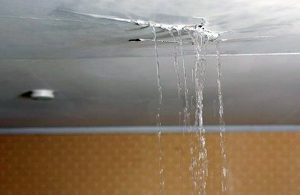
How to Fix Shingle-Related Leaks
Replace Broken Shingles: Swap out damaged or missing shingles with new, high-quality ones.
Inspect After Storms: Check your roof after heavy winds or hail to catch damage early.
Invest in Durable Materials: Consider asphalt, metal, or composite shingles for longer-lasting protection.
Professional Repairs: If the damage is extensive, hire a licensed roofer to ensure proper installation.
2. Faulty Flashing Around Roof Penetrations
Understanding Flashing Leaks
Flashing is the thin metal material installed around chimneys, skylights, vents, and roof valleys to direct water away from these vulnerable areas. Damaged, corroded, or improperly installed flashing is a common source of leaks that can recur if not fixed correctly.
How to Repair Flashing Leaks
Inspect Regularly: Look for rust, cracks, or loose flashing around roof penetrations.
Seal Small Gaps: Use roofing sealant for minor cracks or separations.
Replace Damaged Flashing: Corroded or bent flashing should be replaced by a professional.
Ensure Proper Installation: Correct installation prevents recurring leaks and long-term water damage.
3. Clogged Gutters and Poor Drainage
How Gutters Contribute to Roof Leaks
Gutters are designed to channel rainwater away from your roof and foundation. When they become clogged with leaves, debris, or ice, water can back up, saturating shingles and causing leaks. Improperly pitched gutters or blocked downspouts can exacerbate the problem.
Fixing Gutter-Related Leaks
Clean Gutters Regularly: Remove debris at least twice a year, especially in fall and spring.
Install Gutter Guards: Prevent debris from accumulating and blocking water flow.
Repair or Adjust Gutters: Fix holes, leaks, and misaligned gutters to ensure proper drainage.
Check Downspouts: Make sure water flows at least 6–10 feet away from your home’s foundation.
4. Ice Dams in Cold Climates
How Ice Dams Cause Leaks
Ice dams form when snow melts on the roof and refreezes at the eaves, creating a barrier that prevents water from draining. The trapped water can seep under shingles and into your home, causing interior damage. Ice dams are common in colder climates and can lead to repeated leaks if not addressed.
Preventing and Fixing Ice Dam Leaks
Proper Attic Insulation: Maintain consistent roof temperatures to prevent snow from melting unevenly.
Ventilate the Attic: Ridge vents, soffit vents, and attic fans help circulate air and prevent ice buildup.
Use Ice and Water Shields: Install protective layers under shingles in vulnerable areas.
Remove Excess Snow Safely: Use a roof rake to clear snow before ice dams form.
5. Leaks Around Roof Vents and Skylights
Why Roof Penetrations Are Vulnerable
Vents and skylights are common entry points for water if not properly sealed. Worn vent collars, cracked seals, or improperly installed skylights can allow water to infiltrate, causing recurring leaks.
Fixing Leaks Around Roof Penetrations
Reseal Vent Collars: Apply high-quality roofing sealant or replace old collars.
Repair Skylight Seals: Check for cracks or gaps and reseal with appropriate weatherproof materials.
Install Proper Flashing: Ensure flashing around vents and skylights is installed correctly to direct water away.
6. Roof Age and Wear
How Aging Roofs Develop Leaks
All roofs have a lifespan. Asphalt shingles last about 20–25 years, while metal and tile roofs can last longer. As roofs age, shingles become brittle, flashing corrodes, and leaks become more frequent. Repeated leaks often indicate that the roof is approaching the end of its useful life.
Permanent Solutions for Aging Roofs
Routine Professional Inspections: Identify early signs of wear and potential leaks.
Replace Worn Roof Sections: Replace damaged shingles, flashing, or underlayment.
Full Roof Replacement: For roofs near the end of their lifespan, a replacement is often more cost-effective than repeated repairs.
Invest in Durable Materials: Upgrading to high-quality roofing materials ensures longer-term protection.
7. Importance of Regular Roof Maintenance
Prevent Recurring Leaks
Most common roof leaks can be prevented through proactive maintenance. Regular checks, cleaning gutters, trimming overhanging branches, and addressing minor damage immediately can stop small drips from becoming major disasters.
Maintenance Tips
Inspect your roof twice a year and after storms.
Clean debris from shingles and gutters.
Replace minor damaged shingles immediately.
Ensure attic insulation and ventilation are adequate.
Document all repairs and inspections for future reference.
Conclusion
From drip to disaster, roof leaks can escalate quickly if left unaddressed. Common problems include damaged shingles, faulty flashing, clogged gutters, ice dams, leaks around vents and skylights, and aging roofs. The key to protecting your home is proactive maintenance, timely repairs, and professional inspections when needed.
By addressing these issues early and following expert repair and prevention strategies, you can safeguard your home from water damage, mold, and costly roof repairs. Don’t wait for a small drip to turn into a major disaster—act now to keep your roof leak-free.