How Much Does Fascia Replacement Cost in 2026? (Complete Pricing & Homeowner Guide)
Fascia replacement is one of the most important roofline maintenance jobs for protecting your home from water damage, rot, and structural issues. In 2026, costs vary depending on materials, property size, labour rates, and accessibility, making it essential for homeowners to understand what influences pricing before starting a project.
What Is Fascia and Why Does It Need Replacing?
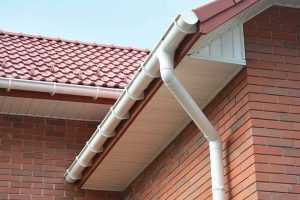
Fascia boards are the long boards that run along the edge of your roof, directly supporting the bottom row of tiles and holding the guttering system in place. They play a key role in protecting your roof structure from weather exposure.
Over time, fascia boards can deteriorate due to moisture, UV exposure, pests, and poor maintenance. Once rot sets in, replacement is often the only long-term solution.
Common Reasons for Fascia Replacement
Severe wood rot or structural damage
Water damage caused by leaking gutters
Ageing timber fascia boards
Pest infestations such as wood-boring insects
Cracked, warped, or sagging boards
Upgrading to low-maintenance materials like uPVC
Average Fascia Replacement Cost in 2026
The cost of fascia replacement in 2026 typically ranges depending on the size of your home and materials used.
General Price Overview
Small property: $1,200 – $2,500
Medium property: $2,500 – $5,000
Large property: $5,000 – $10,000+
These estimates include both materials and professional labour.
Cost per Linear Metre
Timber fascia replacement: $40 – $90 per metre
uPVC fascia replacement: $50 – $120 per metre
Aluminium fascia replacement: $70 – $150 per metre
Prices vary depending on finish quality and installation complexity.
Factors That Affect Fascia Replacement Costs
Several key factors influence how much you will pay for fascia replacement in 2026.
1. Material Type
The type of fascia material is one of the biggest cost drivers.
Timber: Traditional and cheaper but requires ongoing maintenance
uPVC: Low maintenance and weather-resistant, moderately priced
Aluminium: Premium option with high durability but higher cost
2. Property Size and Roof Length
The longer your roofline, the more materials and labour are required. Multi-storey homes also increase costs due to access difficulty.
Single-storey homes: Lower installation cost
Two-storey homes: Higher labour and safety equipment costs
3. Labour Costs
Professional labour is a significant part of the total expense.
In 2026, typical labour costs include:
Roofline specialists: $50 – $100 per hour
Daily rates: $400 – $800 per day per installer
Complex jobs requiring scaffolding will increase labour expenses.
4. Scaffolding and Access Requirements
If your property is tall or difficult to access, scaffolding may be required.
Scaffolding hire: $500 – $2,000+ depending on duration
Ladder-only access: Lower cost but not always safe or possible
5. Gutter Removal and Replacement
Fascia replacement often requires removing and reinstalling gutters.
Gutter removal and refit: $300 – $1,000
New gutter installation (if needed): additional cost
Fascia Material Cost Comparison (2026)
Choosing the right material impacts both upfront cost and long-term maintenance.
Timber Fascia Boards
Timber remains a traditional choice for many homes.
Pros:
Lower initial cost
Easy to cut and install
Natural appearance
Cons:
Requires regular painting and sealing
Prone to rot and insect damage
Shorter lifespan compared to alternatives
uPVC Fascia Boards
uPVC is the most popular modern option in 2026.
Pros:
Low maintenance
Resistant to rot and moisture
Long lifespan (20–30 years)
Cons:
Higher upfront cost than timber
Less natural appearance
Aluminium Fascia Boards
Aluminium is considered a premium fascia material.
Pros:
Extremely durable
Resistant to weather and corrosion
Long-lasting with minimal maintenance
Cons:
Highest installation cost
Less commonly used in residential properties
DIY vs Professional Fascia Replacement Costs
Some homeowners consider DIY fascia replacement to reduce costs, but this depends on skill level and safety.
DIY Fascia Replacement Costs
Materials only: $500 – $2,000
Tools and equipment: $200 – $800
Potential scaffolding hire: $500+
DIY can save money but carries risks, especially on multi-storey homes.
Professional Installation Costs
Hiring professionals typically includes:
Labour and installation
Waste removal
Safety equipment
Warranty or workmanship guarantee
While more expensive upfront, professional installation ensures safety and long-term durability.
Hidden Costs to Consider
When budgeting for fascia replacement, it’s important to account for additional expenses.
Unexpected Structural Repairs
Once old fascia is removed, hidden damage may be discovered:
Rotten rafter ends
Water-damaged soffits
Roof tile repairs
Painting and Finishing
Timber fascia requires painting or sealing after installation:
Exterior paint: $100 – $300
Labour for finishing: additional cost if professionally applied
Waste Disposal Fees
Removing old fascia boards may involve disposal costs:
Waste removal: $100 – $500 depending on volume
How to Save Money on Fascia Replacement
Fascia replacement can be a significant investment, but there are ways to reduce costs.
1. Choose uPVC Over Timber
Although slightly more expensive upfront, uPVC saves money long-term due to reduced maintenance.
2. Replace Soffits and Gutters at the Same Time
Bundling roofline work can reduce labour costs and scaffolding fees.
3. Get Multiple Quotes
Always compare at least 2–3 roofing contractors to ensure competitive pricing.
4. Schedule Work During Off-Peak Seasons
Roofing companies may offer better rates during slower months.
Is Fascia Replacement Worth the Cost?
Replacing fascia boards is not just a cosmetic upgrade—it protects your entire roofing system. Damaged fascia can lead to:
Roof leaks
Structural timber rot
Gutter failure
Pest infestations
Investing in replacement helps prevent far more expensive repairs later.
Conclusion
The cost of fascia replacement in 2026 varies widely based on materials, property size, and labour requirements, typically ranging from $1,200 to over $10,000. While timber remains the cheapest option upfront, uPVC and aluminium provide better long-term value due to durability and low maintenance.
Understanding these cost factors helps homeowners make informed decisions, budget accurately, and choose the right materials for their property. In most cases, investing in professional installation ensures safety, longevity, and better overall performance of your roofline system.