
How to Extend the Life of Your Roof Plumbing System
Your roof plumbing system plays a crucial role in protecting your home from water damage, leaks, and structural issues. From gutters and downpipes to roof drains and flashing, each component works together to channel water safely away from your property. Extending the life of your roof plumbing system not only saves money on repairs but also ensures long-term durability and peace of mind. In this guide, we’ll explore practical tips and expert strategies to maintain and prolong the life of your roof plumbing system.
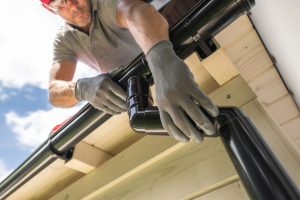
Understanding Your Roof Plumbing System
Roof plumbing refers to the network of gutters, downpipes, drains, and related components that manage rainwater flow. Properly functioning roof plumbing prevents water from pooling on the roof, leaking into your home, or causing foundation damage. Knowing how each part works is essential for effective maintenance.
Key Components of Roof Plumbing
- Gutters: Collect rainwater along the roof edge.
- Downpipes: Transport water from gutters to ground drainage systems.
- Roof Drains: Found on flat roofs, ensuring water does not accumulate.
- Flashing: Seals roof joints, vents, and chimneys to prevent leaks.
- Roof Membrane or Tiles: Provide a protective barrier against water infiltration.
1. Regular Cleaning of Gutters and Downpipes
Debris such as leaves, twigs, and dirt can accumulate in gutters and downpipes, causing blockages and water overflow. This can lead to leaks and damage your roof plumbing system over time.
How to Clean Gutters Effectively
- Remove leaves and debris manually or with a gutter scoop.
- Flush the gutters with a garden hose to ensure proper flow.
- Check downpipes for clogs and remove obstructions.
- Install gutter guards to reduce the frequency of blockages.
Cleaning gutters and downpipes at least twice a year, or more frequently during heavy foliage seasons, can significantly extend the life of your roof plumbing system.
2. Inspect and Maintain Flashing
Flashing protects roof joints, chimneys, vents, and skylights from water intrusion. Damaged or corroded flashing is a common cause of leaks and can shorten the lifespan of your roof plumbing system.
Flashing Maintenance Tips
- Inspect flashing for cracks, rust, or loose sections at least once a year.
- Seal minor cracks with roofing sealant or caulk.
- Replace severely damaged or corroded flashing promptly.
- Ensure proper installation during roof repairs or renovations.
3. Prevent Water Pooling on Flat Roofs
Water accumulation on flat roofs can stress roof membranes and drains, leading to leaks and damage. Proper drainage is essential to maintain the integrity of the roof plumbing system.
Strategies to Avoid Water Pooling
- Regularly check roof drains for clogs and debris.
- Ensure drains are correctly positioned and sloped for proper flow.
- Consider installing additional drains or scuppers in areas prone to pooling.
- Inspect the roof membrane for cracks or wear that could worsen standing water issues.
4. Inspect and Repair Gutters and Downpipes
Loose, rusted, or damaged gutters and downpipes reduce the effectiveness of your roof plumbing system and can cause water to spill near your home’s foundation.
Maintenance Tips for Gutters and Downpipes
- Check for sagging gutters and tighten or replace brackets as needed.
- Replace broken downpipe sections promptly.
- Add downpipe extensions to divert water away from the foundation.
- Regularly inspect for rust or corrosion and treat affected areas.
5. Roof Membrane and Tile Maintenance
Cracked or missing roof tiles, or a worn roof membrane, can allow water to penetrate the roof, affecting the entire plumbing system. Routine inspection and repair of these surfaces are key to longevity.
Maintenance Tips
- Replace cracked, broken, or missing tiles immediately.
- Seal small tears in roof membranes with compatible roofing sealants.
- Inspect for loose shingles and ensure they are properly secured.
- Schedule professional roof inspections periodically, especially after storms.
6. Maintain Proper Roof Ventilation
Good ventilation helps prevent moisture buildup under the roof, reducing the risk of corrosion, mold growth, and damage to roof plumbing components.
Ventilation Maintenance Tips
- Ensure ridge vents, soffit vents, and exhaust vents are clear and functioning.
- Inspect attic spaces for condensation and moisture accumulation.
- Install additional vents if necessary to improve airflow.
7. Regular Professional Inspections
While routine DIY maintenance is important, professional inspections by a licensed roof plumber can identify hidden issues that could compromise your system’s longevity.
Benefits of Professional Inspections
- Early detection of leaks, corrosion, or structural damage
- Expert repairs using proper materials and techniques
- Extended lifespan of gutters, downpipes, and flashing
- Peace of mind knowing your roof plumbing system is in top condition
8. Seasonal Maintenance and Preparedness
Different seasons pose unique challenges for roof plumbing systems. Heavy rainfall, falling leaves, ice, and extreme heat can all impact the durability of your roof plumbing components.
Seasonal Maintenance Tips
- Autumn: Clear gutters of fallen leaves and debris.
- Winter: Inspect for ice dams and ensure downpipes are free-flowing.
- Spring: Check for storm damage and repair leaks from winter.
- Summer: Inspect for sun-damaged or warped roofing materials.
Conclusion
Extending the life of your roof plumbing system requires regular maintenance, timely repairs, and awareness of seasonal challenges. By cleaning gutters, inspecting flashing, maintaining tiles and membranes, ensuring proper ventilation, and scheduling professional inspections, you can prevent leaks, water damage, and costly repairs. A well-maintained roof plumbing system not only protects your home but also provides peace of mind for years to come.
Taking proactive steps today will save you time, money, and stress tomorrow. Protect your investment by caring for your roof plumbing system as diligently as you do for the rest of your home.