How to Spot Early Signs of Metal Roof Failure
Metal roofs are widely known for their strength, durability, and long service life, often lasting several decades when properly maintained. However, even the most robust metal roofing systems can develop early warning signs of failure over time. Identifying these issues early is essential to prevent costly repairs, water damage, and structural deterioration. This SEO-optimised guide explains how to spot early signs of metal roof failure, what causes them, and what steps you can take to fix problems before they escalate.
Why Early Detection of Metal Roof Problems Matters
Early detection is the key to extending the lifespan of any metal roofing system. Small issues such as loose fasteners or minor leaks may seem insignificant at first, but they can quickly develop into major structural problems if ignored. Regular inspections and awareness of warning signs can help homeowners save money and avoid emergency roof repairs.
Consequences of Ignoring Early Warning Signs
- Widespread water damage inside the building
- Corrosion spreading across roof panels
- Insulation damage and reduced energy efficiency
- Structural weakening of roof components
- Higher long-term repair or replacement costs
Early Sign #1: Small Leaks and Water Stains
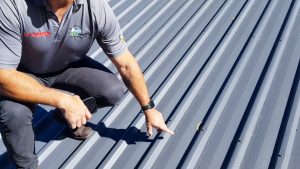
One of the earliest and most common signs of metal roof failure is the presence of small leaks or interior water stains. These often appear before visible exterior damage becomes obvious.
How to Identify Leak Warning Signs
Look for yellow or brown stains on ceilings and walls, especially after heavy rain. You may also notice damp insulation in the attic or musty odours caused by moisture buildup.
What Causes Early Leaks
Leaks typically develop around seams, flashing, screws, or roof penetrations such as vents and skylights. Worn sealants and loose fasteners are often the primary causes.
Early Sign #2: Loose or Missing Fasteners
Fasteners play a critical role in securing metal roof panels. When they begin to loosen or fall out, the roof becomes vulnerable to water intrusion and movement.
Why Fasteners Fail Over Time
Thermal expansion and contraction cause metal panels to shift slightly with temperature changes. Over time, this movement can loosen screws and compromise the roof’s integrity.
How to Spot Fastener Issues
Signs include visible gaps between panels, raised screw heads, or missing fasteners. In some cases, you may also hear rattling noises during windy conditions.
Early Sign #3: Rust and Corrosion Spots
Rust is a clear indicator that a metal roof is beginning to deteriorate. While small rust spots may seem harmless, they can quickly spread if not treated.
How Rust Develops on Metal Roofs
Rust forms when protective coatings wear away, exposing the underlying metal to moisture and oxygen. This process is accelerated in coastal or high-humidity environments.
Warning Signs of Early Corrosion
Look for orange or brown patches on roof panels, especially near seams, edges, or areas where water tends to collect.
Early Sign #4: Damaged or Dented Panels
Metal roof panels can become damaged due to hail, falling branches, or debris. Even minor dents can weaken the roof’s protective barrier.
Types of Panel Damage
Damage may range from small surface dents to deep punctures that expose the underlying material. Severe damage can compromise waterproofing and structural strength.
How to Identify Panel Issues
Inspect the roof visually for uneven surfaces, dented sections, or areas where paint and coating appear chipped or worn.
Early Sign #5: Deteriorating Sealant and Caulking
Sealants are used to protect joints, seams, and fastener points. When they begin to degrade, the roof becomes vulnerable to leaks.
Why Sealants Break Down
Exposure to UV rays, rain, and temperature changes causes sealants to dry out, crack, and lose adhesion over time.
Signs of Sealant Failure
Look for cracked, brittle, or missing sealant around flashing, vents, skylights, and roof edges.
Early Sign #6: Unusual Roof Noises
Strange sounds coming from a metal roof can indicate early structural issues that should not be ignored.
Common Roof Noises
These may include popping, creaking, or rattling sounds during temperature changes or windy conditions.
What These Noises Mean
Such noises are often caused by thermal movement, loose fasteners, or shifting panels that need adjustment or repair.
Early Sign #7: Rising Energy Bills
A less obvious but important sign of roof failure is an unexpected increase in energy costs. This can indicate insulation or reflective coating problems.
How Roof Damage Affects Energy Efficiency
Damaged roofing systems may allow heat to enter or escape more easily, forcing heating and cooling systems to work harder.
What to Look For
If your energy bills increase without changes in usage, it may be worth inspecting your roof for damage or insulation issues.
Early Sign #8: Blocked or Poor Drainage
Proper drainage is essential for preventing water accumulation and roof damage. Poor drainage is often an early warning sign of roof issues.
Causes of Drainage Problems
Blocked gutters, debris buildup, or improper roof slope can cause water to pool on the surface.
How to Identify Drainage Issues
Look for standing water, overflowing gutters, or signs of water stains near roof edges and walls.
How to Inspect a Metal Roof Safely
Regular inspections are essential for identifying early signs of roof failure. However, safety should always be a priority when inspecting a roof.
Ground-Level Inspection
Use binoculars to check for visible damage from the ground before attempting closer inspections.
Attic and Interior Checks
Inspect ceilings, walls, and attic spaces for signs of leaks, moisture, or insulation damage.
Professional Roof Inspections
Hiring a professional roofer ensures a thorough and safe inspection using advanced tools and techniques.
Preventing Metal Roof Failure
Preventative maintenance is the most effective way to avoid costly roof failures and extend the lifespan of your metal roofing system.
Regular Maintenance Practices
- Schedule inspections at least twice a year
- Clean gutters and remove debris regularly
- Check sealants and fasteners for wear
- Address minor issues immediately
Importance of Timely Repairs
Fixing small problems early prevents them from developing into major structural failures that require expensive repairs or full roof replacement.
Conclusion
Knowing how to spot early signs of metal roof failure is essential for protecting your property and extending the lifespan of your roofing system. From small leaks and rust spots to loose fasteners and rising energy bills, these warning signs should never be ignored. Regular inspections, proper maintenance, and timely repairs can prevent minor issues from escalating into major damage. By staying proactive and addressing problems early, homeowners can ensure their metal roofs remain strong, efficient, and reliable for many years to come.