
Seasonal Gutter Maintenance Checklist for Homeowners
Keeping your gutters in good condition throughout the year is essential for protecting your home from water damage, roof leaks, and foundation issues. A well-planned seasonal gutter maintenance checklist for homeowners ensures your drainage system works efficiently no matter the weather. Without regular maintenance, gutters can become clogged, damaged, or even completely ineffective, leading to expensive repairs.
This guide provides a comprehensive seasonal approach to gutter care, helping you stay ahead of problems before they start.
Why Seasonal Gutter Maintenance Is Important
Your gutter system is constantly exposed to changing weather conditions, falling debris, and natural wear and tear. Seasonal maintenance helps keep everything flowing smoothly.
Preventing Costly Water Damage
Blocked or damaged gutters can cause rainwater to overflow, leading to roof leaks, internal water damage, and foundation erosion.
Extending the Life of Your Gutters
Regular maintenance reduces strain on your gutter system, helping it last longer and perform better over time.
Protecting Your Home’s Structure
Well-maintained gutters help direct water away from your home, preventing soil erosion, basement flooding, and structural instability.
Autumn Gutter Maintenance Checklist
Autumn is one of the most important times for gutter maintenance due to falling leaves and increased debris buildup.
Remove Leaves and Organic Debris
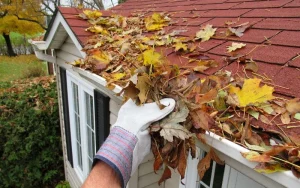
Clear out leaves, twigs, and dirt that accumulate quickly during the autumn months. Blockages are most common during this season.
Check for Blocked Downspouts
Ensure water flows freely through downspouts. If blocked, use a hose or plumbing snake to clear obstructions.
Inspect for Sagging or Damage
Heavy debris can weigh down gutters, causing them to sag or detach from the roofline.
Flush Gutters with Water
After clearing debris, flush the system with water to ensure proper flow and detect any hidden leaks.
Winter Gutter Maintenance Checklist
Winter weather can be harsh on gutters, especially in areas prone to frost, ice, or heavy rain.
Remove Ice and Snow Buildup
Ice dams can form when gutters are blocked or poorly insulated. Carefully remove buildup to prevent structural damage.
Check for Ice Damage
Freezing temperatures can cause gutters to crack or split. Inspect for any signs of damage after cold spells.
Ensure Proper Drainage
Make sure melted snow and rainwater can flow freely away from your home to avoid refreezing near the foundation.
Avoid Heavy Ladder Use in Unsafe Conditions
Winter maintenance should only be done in safe weather conditions to avoid slips and accidents.
Spring Gutter Maintenance Checklist
Spring is the ideal time to assess any damage caused during winter and prepare your gutters for heavier rainfall.
Clear Pollen and Small Debris
Spring brings pollen, seeds, and small organic matter that can slowly build up in gutters.
Inspect for Winter Damage
Look for cracks, loose brackets, or leaks caused by freezing and thawing cycles.
Check Roof Runoff Flow
Ensure water is draining properly from the roof into the gutters without pooling.
Test Downspouts Thoroughly
Run water through the system to confirm all downspouts are functioning correctly.
Summer Gutter Maintenance Checklist
While summer may seem low-risk, heat and storms can still affect your gutter system.
Remove Dust and Dry Debris
Wind can carry dust, dirt, and leaves into gutters, especially during dry summer months.
Inspect After Storms
Heavy summer storms can loosen gutters, damage brackets, or cause blockages.
Check for Pest Activity
Birds, insects, and rodents may nest in gutters during warmer months. Remove any nests or signs of infestation.
Ensure Proper Water Flow
Test gutters with a hose to ensure water drains efficiently before the next storm season.
Essential Year-Round Gutter Maintenance Tips
While seasonal checks are important, ongoing maintenance keeps your system in top condition.
Clean Gutters at Least Twice a Year
A minimum of two cleanings per year (autumn and spring) is recommended for most homes.
Install Gutter Guards
Gutter guards reduce the amount of debris entering your system, making maintenance easier.
Trim Overhanging Branches
Trees near your home contribute significantly to gutter blockages. Regular trimming helps reduce debris buildup.
Tools Needed for Seasonal Gutter Maintenance
Having the right tools makes maintenance safer and more efficient.
Basic Cleaning Tools
Sturdy ladder
Gloves
Gutter scoop or small shovel
Bucket or debris bag
Hose with spray nozzle
Optional Equipment
Gutter cleaning attachment
Leaf blower
Safety harness for high roofs
Common Gutter Problems to Watch For
Understanding common issues helps you identify problems early.
Leaks and Drips
Leaks often occur at joints or damaged sections and should be sealed quickly.
Sagging Gutters
Sagging usually indicates excess weight from debris or broken brackets.
Poor Drainage
If water pools in certain sections, your gutters may be improperly sloped or blocked.
When to Call a Professional
Some gutter issues require expert attention to ensure safety and proper repair.
Severe Blockages or Damage
If gutters are heavily clogged or physically damaged, professional tools may be required.
Multi-Storey Homes
High roofs increase safety risks and are best handled by trained professionals.
Recurring Gutter Issues
If problems keep returning despite maintenance, a full inspection may be necessary.
Conclusion
A proper seasonal gutter maintenance checklist for homeowners is essential for protecting your home from water damage and costly repairs. By following a structured approach throughout autumn, winter, spring, and summer, you can ensure your gutter system remains efficient and reliable year-round.
Regular inspections, timely cleaning, and preventative care not only extend the life of your gutters but also safeguard your home’s structural integrity. Staying consistent with maintenance is the key to avoiding unexpected and expensive gutter problems.