
Top 7 Common Roof Plumbing Problems and How to Fix Them
Roof plumbing is a critical part of maintaining a safe and durable home. From ensuring proper water drainage to preventing leaks, the roof plumbing system protects your house from costly damage. However, like any system, roof plumbing can face problems over time. Identifying and addressing these issues early can save you money and stress. In this article, we’ll explore the top 7 common roof plumbing problems and provide practical solutions for fixing them.
1. Blocked Gutters and Downpipes
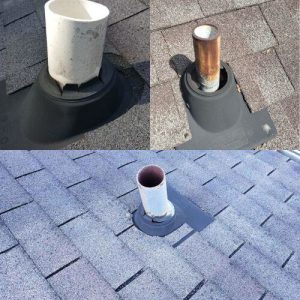
One of the most common roof plumbing issues is blocked gutters and downpipes. Leaves, debris, and even small branches can accumulate in your gutters, causing water to overflow and damage your roof, walls, or foundation.
Signs of Blocked Gutters
- Water overflowing during rain
- Stains on walls or ceilings
- Slow drainage or standing water near the home
How to Fix Blocked Gutters
Start by removing debris manually or using a gutter vacuum tool. After clearing, flush the gutters with a hose to ensure water flows freely. Regular maintenance, ideally twice a year, helps prevent blockages and keeps your roof plumbing system functioning properly.
2. Roof Leaks
Roof leaks are another prevalent problem in roof plumbing. Leaks can result from damaged roofing materials, clogged gutters, or broken downpipes. Ignoring a leak can lead to water damage, mold growth, and structural issues.
Identifying Roof Leaks
- Water stains on ceilings or walls
- Dripping water inside the home
- Mold or mildew growth in attic spaces
Fixing Roof Leaks
Minor leaks can often be repaired with roof sealants or patching damaged flashing. For larger leaks, replacing damaged sections of the roof or downpipes may be necessary. Professional roof plumbers can perform thorough inspections and ensure your roof is fully watertight.
3. Damaged or Rusted Flashing
Flashing is a critical component of roof plumbing, designed to direct water away from joints, chimneys, and vents. Over time, flashing can corrode, crack, or become loose, causing water infiltration.
Signs of Damaged Flashing
- Water stains around chimneys or vents
- Visible rust or cracks on flashing
- Leaks after rainfall
Repairing Flashing
Small cracks can be sealed with roofing caulk, while severely damaged or rusted flashing should be replaced entirely. Ensure new flashing is properly installed and sealed to prevent recurring leaks.
4. Blocked Roof Drains
For homes with flat or low-pitch roofs, roof drains are essential for preventing water pooling. Blocked drains can lead to standing water, roof sagging, and even structural damage.
Symptoms of Blocked Roof Drains
- Water pooling on the roof after rain
- Unusual stress on roof materials
- Increased risk of leaks or ceiling damage
Clearing Blocked Roof Drains
Remove debris from drain grates and flush pipes with water. In stubborn cases, a plumber may need to use a high-pressure hose or auger to remove blockages. Regular roof inspections help prevent drain-related problems.
5. Broken or Disconnected Downpipes
Downpipes are responsible for channeling rainwater from gutters to the ground or drainage system. Broken or disconnected downpipes can lead to water spilling near foundations, causing erosion or basement flooding.
How to Detect Downpipe Issues
- Water pooling around the house’s base
- Visible cracks or disconnections in downpipes
- Noise from water splashing during rain
Fixing Downpipe Problems
Inspect the downpipes for damage or loose connections. Replace broken sections and secure all joints. Adding downpipe extensions can help direct water further from your home, protecting foundations and landscaping.
6. Sagging Gutters
Sagging gutters not only look unsightly but also affect water flow, increasing the risk of leaks and overflow. This issue is usually caused by clogged gutters, water weight, or loose gutter brackets.
Identifying Sagging Gutters
- Visible bending or pulling away from the roofline
- Water spilling over the sides
- Rust or corrosion at attachment points
Fixing Sagging Gutters
Remove debris and inspect gutter brackets. Tighten or replace loose brackets, and ensure the gutter has a slight slope toward downpipes for proper drainage. Reinforcing gutters with additional supports can prevent future sagging.
7. Poor Roof Ventilation
Poor roof ventilation can indirectly cause roof plumbing problems. Without proper airflow, moisture can accumulate under the roof, leading to rusted metal, mold growth, and weakened structural supports.
Signs of Poor Roof Ventilation
- Condensation in the attic
- Mold or mildew on insulation
- High indoor humidity levels
Improving Roof Ventilation
Install roof vents, ridge vents, or soffit vents to improve airflow. Proper ventilation reduces moisture buildup, prolongs the lifespan of your roof plumbing system, and prevents water-related issues.
Conclusion
Regular maintenance and timely repairs are key to avoiding costly roof plumbing problems. From blocked gutters to poor ventilation, each issue can compromise the safety and durability of your home if left untreated. By identifying common problems early and following the proper solutions outlined above, you can keep your roof plumbing system functioning efficiently for years to come.
For complex issues or recurring problems, it’s always best to contact a licensed roof plumber who can perform professional inspections and repairs. Protecting your home starts with a well-maintained roof plumbing system.