
Winter Roof Plumbing Tips to Prevent Ice Dam Damage
Winter can be a challenging season for homeowners, especially when it comes to protecting your roof plumbing system. Ice dams are a common issue in colder climates, forming when snow melts on the roof and refreezes at the eaves. These ice formations can block gutters, downpipes, and roof drains, leading to water backing up under shingles, leaks, and structural damage. Proper preparation and maintenance can prevent ice dam damage and keep your roof plumbing system functioning efficiently. This guide provides essential winter roof plumbing tips to safeguard your home.
Understanding Ice Dams and Their Impact
Ice dams form when heat from your home melts snow on the roof, which then refreezes at the colder edges, usually near gutters. This creates a barrier that prevents water from draining properly. Trapped water can seep under shingles, causing leaks and damage to ceilings, walls, and insulation.
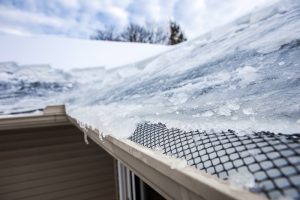
Consequences of Ice Dam Damage
- Water leaks inside the home, leading to stains and mold growth
- Damage to gutters, downpipes, and roof membranes
- Structural damage to the roof and supporting framework
- Increased repair costs if left untreated
1. Keep Gutters and Downpipes Clear
Clogged gutters and downpipes exacerbate ice dam formation by preventing proper water flow. Ensuring these components are free of debris is essential before winter sets in.
Winter Gutter Maintenance Tips
- Clean out leaves, twigs, and dirt in late autumn.
- Inspect downpipes for blockages or damage.
- Install gutter guards to reduce debris accumulation during winter.
- Check that all gutter brackets are secure to handle ice weight.
2. Ensure Proper Roof Insulation
Heat escaping from your home can melt snow on the roof, causing water to refreeze at colder eaves. Proper insulation minimizes heat loss, reducing ice dam formation.
Insulation Tips for Roof Plumbing Protection
- Inspect attic insulation and add more if necessary to maintain even roof temperature.
- Seal gaps around vents, chimneys, and ducts to prevent warm air from escaping.
- Ensure proper ventilation to allow cold air to circulate under the roof.
3. Improve Roof Ventilation
Good roof ventilation keeps the roof cold, preventing uneven snow melting. Inadequate ventilation increases the risk of ice dams and roof plumbing strain.
Ventilation Strategies
- Install ridge vents or soffit vents to allow airflow across the roof deck.
- Clear existing vents of snow and debris to maintain proper airflow.
- Consult a professional to balance ventilation and insulation for optimal roof temperature.
4. Use Ice and Water Shield Membranes
Ice and water shield membranes provide an extra layer of protection for vulnerable roof areas. These membranes can prevent water intrusion in case ice dams form despite preventive measures.
Installation Tips
- Apply membranes along eaves, valleys, and around chimneys or vents.
- Ensure membranes overlap properly to create a continuous waterproof barrier.
- Professional installation ensures proper adhesion and coverage.
5. Remove Snow Safely
Excess snow on the roof increases the likelihood of ice dams. Removing snow reduces weight on gutters and prevents water from refreezing at the eaves.
Safe Snow Removal Practices
- Use a roof rake with a long handle to remove snow from the edge without climbing onto the roof.
- Remove snow gradually to avoid damaging shingles or roof membranes.
- Avoid using salt or chemical deicers directly on the roof as they can corrode metal components and damage shingles.
6. Inspect and Maintain Flashing
Flashing seals roof joints and vulnerable areas. Ice dam pressure can lift flashing or create gaps, leading to leaks.
Flashing Maintenance Tips
- Inspect flashing around chimneys, vents, and skylights before winter.
- Seal minor gaps with roofing caulk or sealant.
- Replace corroded or damaged flashing to ensure a watertight roof.
7. Consider Heat Cables for Critical Areas
Heat cables can be installed along eaves or in gutters to melt ice and prevent ice dam formation. These cables help water flow freely, protecting your roof plumbing system during harsh winters.
Using Heat Cables Effectively
- Install only in areas prone to ice dam formation, such as eaves and valleys.
- Follow manufacturer instructions to prevent fire hazards.
- Ensure cables are installed by a professional for safe and effective operation.
8. Schedule Professional Roof Plumbing Inspection
Even with preventive measures, professional inspections are critical before winter. A licensed roof plumber can identify weak points, inspect gutters and downpipes, and recommend solutions to minimize ice dam risks.
Benefits of Professional Inspection
- Identify potential leaks or damage early
- Ensure gutters, downpipes, and drains are functioning correctly
- Provide expert recommendations for insulation, ventilation, and membranes
- Reduce the risk of costly repairs during winter
Conclusion
Ice dams can cause severe damage to your roof plumbing system, gutters, downpipes, and home interior if not addressed properly. By following these winter roof plumbing tips—keeping gutters clear, improving insulation and ventilation, using ice and water shields, removing snow safely, maintaining flashing, installing heat cables, and scheduling professional inspections—you can protect your home and avoid costly repairs. Preparing your roof plumbing system for winter ensures water flows freely, prevents leaks, and prolongs the lifespan of your roof components.
Proactive maintenance and timely intervention are the keys to a safe, efficient roof plumbing system, even in the harshest winter conditions.